
A word search looks simple. A grid of letters, a list of words, and a pencil. But in a classroom, a word search is one of the most flexible tools a teacher has. It can teach spelling, build vocabulary, fill five minutes at the end of a lesson, or carry a whole morning of quiet, focused work. Word search puzzles for kids in the classroom work because children love the hunt. Finding a hidden word feels like winning, even though the only prize is a circled word. This guide shows you how to make word searches from any spelling list, how to play them as races and team games, and how to match the difficulty to each grade so that every child can finish and feel proud.
What a good classroom word search looks like
A good word search for children is not a giant grid filled with random letters. It is a small grid, a short word list, and words that the children already care about. For younger children, use a grid of eight by eight letters and eight words, all placed left to right or top to bottom. For older children, use a grid of twelve by twelve letters and twelve words, placed in all directions, including backwards and diagonal. The words should come from something the class is already learning: this week’s spelling list, the animals in a science topic, or the words in a story they just read. When the words matter, the puzzle matters. When the words are random, the puzzle is just busy work, and children can tell the difference immediately.
How to make a word search from any spelling list
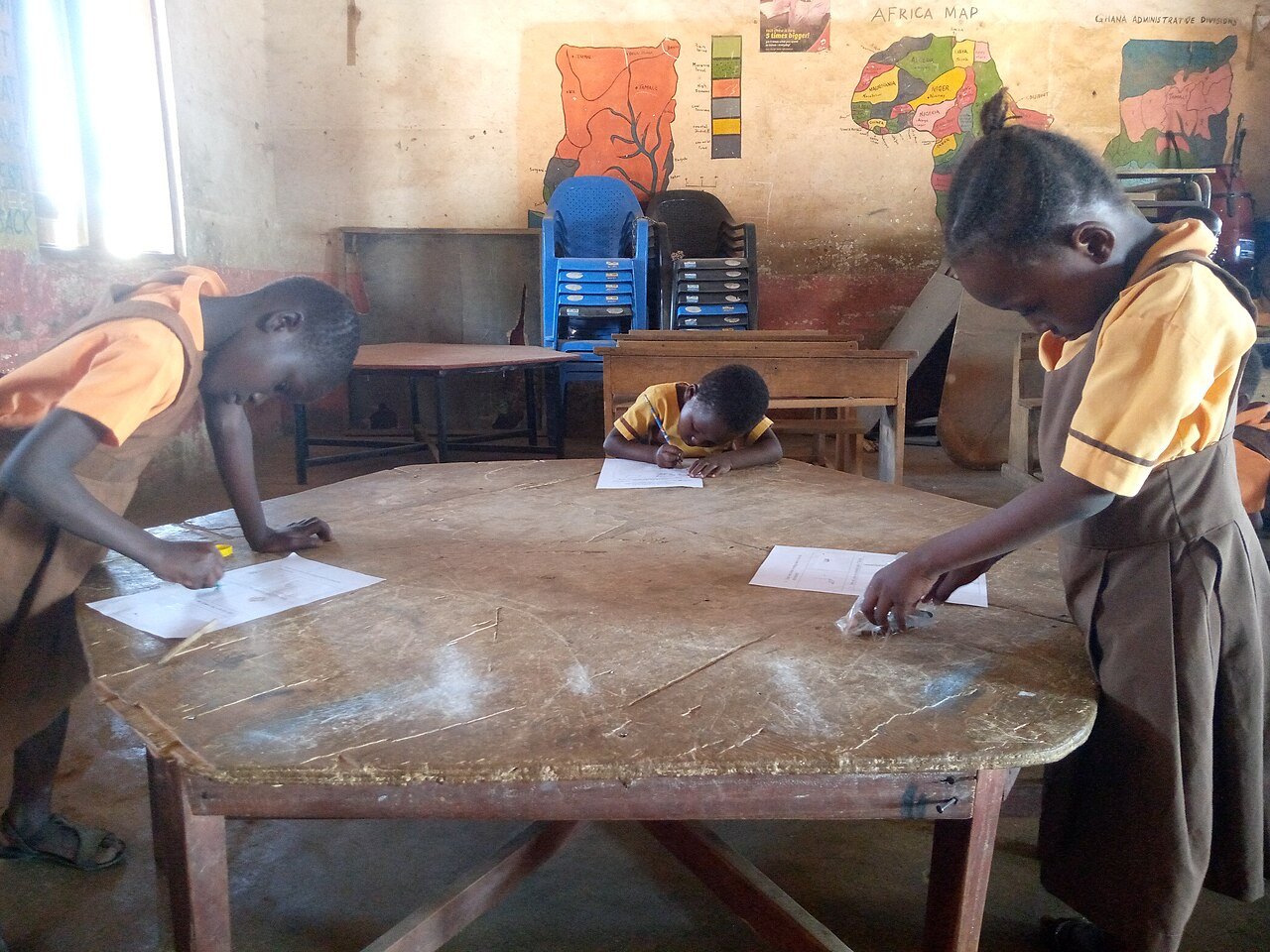
Making a word search by hand takes about ten minutes, and the children can watch you do it. Start with your word list, eight to twelve words. Draw a grid on the board or on paper, one square per letter. Place the longest word first, either across or down. Then place the next word so that it crosses the first one, sharing a letter if possible. Keep placing words until they are all on the grid. Then fill every empty square with random letters. Write the word list at the bottom of the page, and the puzzle is ready. The trick is to place the long words first and the short words last, because short words fit into the gaps. If two words share a letter, that is a bonus, not a problem. It makes the puzzle feel clever instead of random. For a class set, make the grid once and photocopy it, or draw it on the board and let the children copy it into their books.
Word search puzzles for kids in the classroom: difficulty by grade
Grades 1 to 2. Use a small grid, eight by eight, with six to eight words. Place every word left to right or top to bottom. Use words the children can already read, like cat, dog, sun, and book. Give the children a highlighter instead of a pencil, so circling a word feels like a celebration. The goal is not a challenge. The goal is a success.
Grades 3 to 4. Use a grid of ten by ten, with ten words. Add words that go backwards and words that go diagonally, but tell the children which directions to look in. Use words from the current topic, like the names of planets or the parts of a plant. Ask the children to write one sentence using each word they find, so the puzzle becomes a writing task as well.
Grades 5 to 6. Use a grid of twelve by twelve or larger, with twelve to fifteen words. Place words in every direction, including backwards and diagonal. Do not tell the children the directions. Use words with tricky spellings, like “necessary” or “separate”, because finding a hard word in a grid helps a child remember how it is spelled. For the strongest spellers, add a hidden message: the letters left over after all the words are found spell out a sentence.
How to play word searches as races
A word search does not have to be a quiet solo activity. Turn it into a race and the whole class wakes up. Give every child the same puzzle and the same word list. Say “go” and time how long it takes the first child to find all the words. Then give the rest of the class two more minutes to finish. The winner reads out the words and the class checks them together. For a team race, split the class into teams and give each team one puzzle. The team has to find all the words together, with one child circling and the others searching. The first team to finish wins, but every team that finishes within two minutes also earns a point. Races work because they add energy without adding pressure: the puzzle is the same, only the clock is new.
Team word search games
Relay search. Put one big word search on the board. Split the class into two teams. One child from each team runs to the board, finds one word, circles it, and runs back. The next child goes. The first team to find all the words wins. This game gets children moving and it works brilliantly on a Friday afternoon.
Word search swap. Each child makes a word search from their own spelling list and swaps it with a partner. The partner solves it and marks it. Then they swap back and check the answers together. Children love solving a puzzle made by a friend, and making a puzzle teaches spelling better than solving one, because the maker has to spell every word correctly.
Hidden message hunt. Make a word search where the leftover letters spell a message, like “Well done” or “Friday is fun”. The first child to find the message wins a bonus point. Hidden messages turn a puzzle into a mystery, and children will work much harder to solve a mystery than to finish a worksheet.
Themed word search week. Pick one theme for the week, like animals, space, or food. Each day, the class makes a word search on that theme with new words. By Friday, the class has five puzzles and a full set of vocabulary for the theme. This works especially well at the start of a new topic, because the children learn the words before they meet them in the lesson.
Word searches and spelling: how the learning works
A word search teaches spelling in a quiet, powerful way. When a child hunts for the word “because”, they have to hold its spelling in their mind: b-e-c-a-u-s-e. They scan the grid letter by letter, checking each one against the word in their head. That is spelling practice, but it feels like a game. Research on spelling is clear on one point: children remember words they have handled, not words they have only seen. A word search makes a child handle a word many times in a few minutes. If you make a puzzle the class loves, keep one clean copy in a folder so you can reuse it next year with a new class. A good puzzle is worth keeping, and the children who solve it this year will not be the same children who solve it next year. To get the most learning from a puzzle, ask the children to do one extra thing after they finish: write each word they found in a sentence, or say each word out loud with its meaning. That one step turns a puzzle into a lesson. For more ways to practise the same words, pair the puzzle with these vocabulary games in the same lesson.
Common mistakes to avoid
The most common mistake is making the grid too big. A grid of twenty by twenty looks impressive, but children give up before they finish it. Keep the grid small and the word list short. The second mistake is using words the children do not know. A puzzle full of strange words is a chore, not a game. Use words from the lesson, the spelling list, or the story the class just read. The third mistake is placing words only in one direction. A puzzle where every word goes left to right is too easy for older children and boring for everyone. Add backwards and diagonal words as the children get older. And the fourth mistake is forgetting the answer key. Always keep a solved copy for yourself, because a child will always ask whether a word is really there, and you need to be able to show them.
Word searches on a screen
Word searches work on paper, and they also work on a screen. A classroom screen game can turn a word search into a team contest: one child at the board, the rest of the class calling out letters. If you want a digital version of the same idea, Baamboozle lets you build word and quiz games that the whole class can play together on one screen, with no downloads and no logins for the children. Paper puzzles and screen games are not rivals. They are two versions of the same thing: a grid, a list, and the joy of finding a hidden word. Use paper when you want quiet focus. Use the screen when you want a team race. Both work, and the children will ask for both.
A word search routine for the whole week
The best way to use word search puzzles for kids in the classroom is to make them a routine, not a one-off activity. On Monday, the teacher makes a word search from the week’s spelling list and the class solves it together on the board. On Tuesday, each child makes their own word search from five of the words and swaps it with a partner. On Wednesday, the class plays a word search race with a new puzzle on the same words. On Thursday, the children write a sentence with each word they found, and the teacher reads the best sentences out loud. On Friday, the class plays a relay search with a big puzzle on the board, and the winning team chooses next week’s theme. Five days, five different games, one set of words. By Friday, the children have met every word five times, in five different ways, and the words are theirs. A routine like this takes ten minutes a day and it is the most effective spelling practice a teacher can run, because it is built on repetition that feels like play.
Frequently asked questions
How long should a classroom word search take?
Five to ten minutes is right for most puzzles. A puzzle that takes longer than fifteen minutes is too hard or too big. If the whole class finishes in under three minutes, the puzzle was too easy. Aim for a puzzle that most children finish in about eight minutes, with the fastest child finishing a little earlier.
Can word search puzzles for kids in the classroom help with spelling?
Yes. Finding a word in a grid forces a child to hold its spelling in mind and check it letter by letter. That is real spelling practice. The effect is stronger when the words come from the current spelling list and when children write a sentence with each word after they find it.
What if some children finish much faster than others?
Give the fast finishers a job: they become the checkers who verify the answers of the children who are still working, or they make a second, harder puzzle for the class. Fast finishers should never sit idle, and they should never be given more of the same puzzle as a punishment.
Should I tell children which directions the words go in?
For younger children, yes. Tell them the words go across and down. For older children, no. Let them discover that some words go backwards or diagonally. The moment a child finds their first backwards word is one of the best moments in a word search lesson.