
Rain is tapping on the window, the garden is out of bounds, and the children are already bouncing off the walls. Indoor games for kids rainy day are not a backup plan. They are the plan. A rainy afternoon is actually the perfect time for the games that never fit into a busy school day: the long board game, the den that takes an hour to build, the quiz that turns the whole family into teams. This guide gives you twenty-five games that need no preparation at all, sorted by how much energy your children have right now. Start with the high-energy games while everyone is restless, move to the quiet ones when the house calms down, and finish with a family game that everyone remembers. Nothing here needs a purchase, a printer, or a screen, and most of the games work with things that are already in your kitchen cupboards.
Why rainy days are the best game days
A rainy day removes the one thing that usually competes with play: the garden. When going outside is not an option, children stop asking and start inventing. Indoor games for kids rainy day work because the house becomes the whole world for an afternoon, and every room turns into a place where something can happen. The hallway becomes a race track. The table becomes a building site. The sofa becomes a mountain. Rainy days also give you something a normal afternoon rarely gives: unhurried time. Nobody is rushing to the next activity, so a game can run for an hour instead of ten minutes. That is when children play properly, when they argue about the rules, change the rules, and then play again to test the new version. If the rain lasts all day, that is not a problem. It is a gift of time, and the games below are built to fill it.
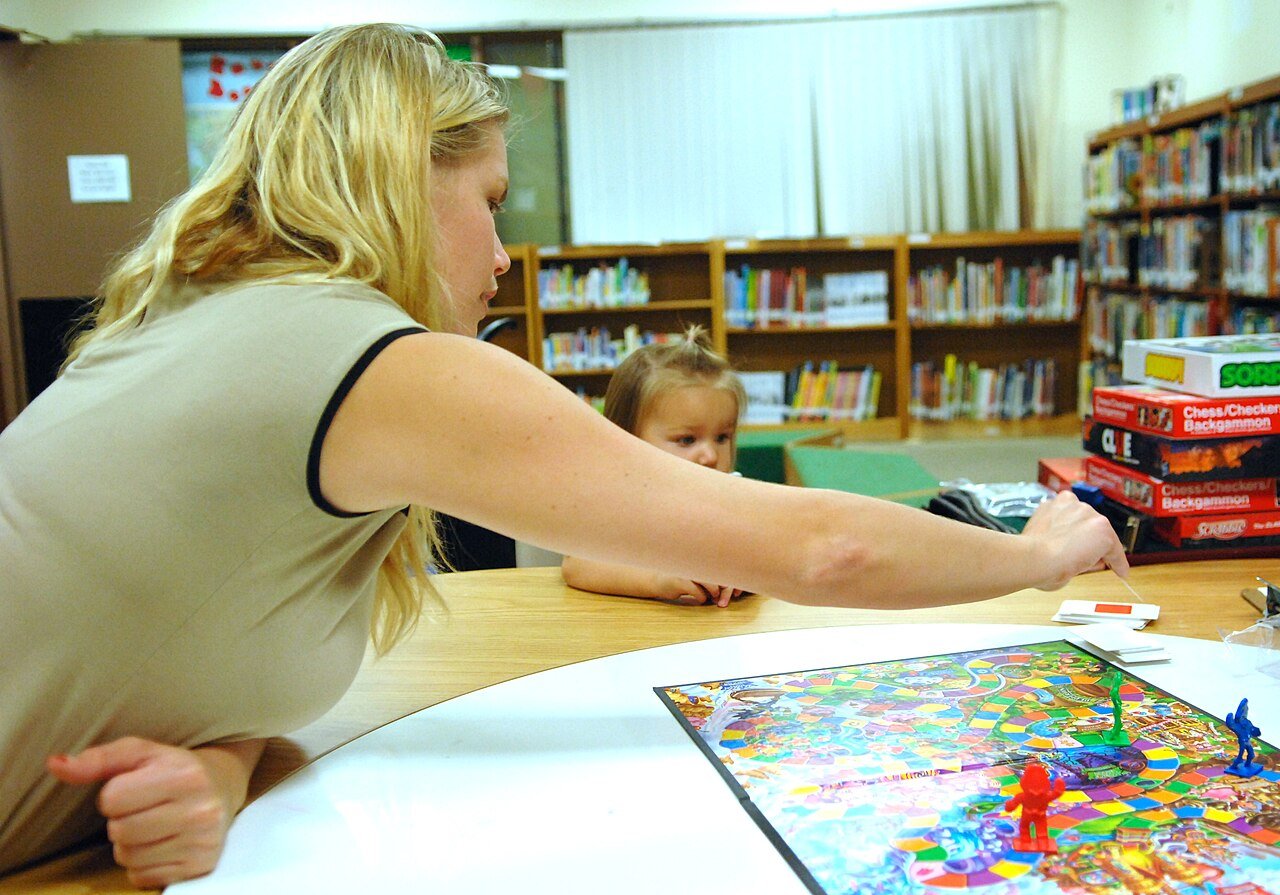
High-energy indoor games for kids on a rainy day
Balloon keep-up. Blow up two balloons and see how long the family can keep them both in the air without letting either touch the floor. Count the hits out loud. When a balloon lands, start again and try to beat the record. This game works in the smallest living room and it never gets old, because the record is always one hit away.
The floor is lava. Scatter cushions, books, and rugs across the floor. Everyone has to cross the room without touching the floor. If a foot slips, that person goes back to the start. Time each crossing and let the children design harder routes with fewer safe spots.
Indoor bowling. Line up six empty plastic bottles at the end of a hallway and roll a soft ball at them. Give one point for each bottle knocked down and a bonus point for a strike. Let younger children stand closer and older children bowl with their weaker hand.
Sock toss tournament. Put a laundry basket on a chair and mark three throwing lines with tape on the floor. Roll pairs of socks into balls. One point for the near line, two for the middle, three for the far line. Play five rounds and keep a running score on paper.
Animal relay race. Set up a short course: crawl under the table like a bear, hop to the sofa like a frog, then walk back like a penguin. Time each child and let them run the course three times to improve their own time. The game works because children compete against themselves, not each other.
Dance freeze. Play music and dance until it stops. Everyone freezes in a shape you call out: a star, a robot, a tree. Anyone who moves sits out for one round and becomes the judge who picks the next shape. Keep the rounds short so nobody waits long for a turn.
Quiet indoor games for kids on a rainy day
Memory tray. Put ten small objects on a tray and show it for thirty seconds. Cover it with a tea towel and ask everyone to write down what they remember. Add one object each round. The child who remembers the most wins, and the game gets harder in a satisfying way.
Story chain. One person starts a story with one sentence. The next person adds a sentence, and so on around the circle. The only rule is that each sentence must connect to the one before it. After ten rounds, read the whole story out loud. It is always stranger than anyone expects.
Shadow animals. Hold a torch against a blank wall and make animal shapes with your hands. Start with a rabbit, a dog, and a bird. Then let the children invent their own shapes while everyone else guesses. This game needs a dark room and nothing else, and it calms a noisy house in minutes.
The quiet game. Everyone sits still and silent for exactly one minute. The first person to laugh, speak, or wriggle loses. It sounds too easy, and that is the joke: the game is much harder than it looks, and the giggles are the whole point.
Draw the sound. One person makes a sound with an everyday object, like tapping a spoon on a glass or crinkling paper. Everyone else draws what they think made the sound. Compare the drawings at the end. This game is calm, funny, and surprisingly creative.
Puzzle race. Tip a jigsaw puzzle onto the table and race to finish it together against the clock. Set a target time, like twenty minutes, and see if the family can beat it. Working together against the clock feels very different from working alone.
Indoor games for kids on a rainy day by age
Ages 3 to 5: colour hunt. Name a colour and give your child one minute to find three things in that colour around the house. Start with red, blue, and yellow. For a harder round, ask for something that has two colours at once. This game turns the whole house into a treasure hunt.
Ages 3 to 5: pillow mountain. Pile the sofa cushions on the floor and let your child climb over them. Drape a blanket across two chairs to make a tunnel. The rule is simple: feet stay on the cushions, because the floor is lava. Young children can play this for an hour.
Ages 6 to 8: treasure map. Draw a quick map of the living room on paper, mark an X, and hide a small prize there. The other person follows the map to find it. Swap roles and make the maps harder each round by adding riddles instead of plain directions.
Ages 6 to 8: card tower. Give each child a pack of old playing cards and ten minutes to build the tallest tower. No tape, no glue. When a tower falls, that is part of the game. The child who rebuilds fastest usually wins.
Ages 9 to 12: code breaker. One person writes a short message in a simple code, for example each letter shifted by one, so “cat” becomes “dbu”. The rest of the group has to crack it. Older children can invent their own codes and race to decode each other’s messages.
Ages 9 to 12: the alibi game. One child leaves the room. The rest agree on a simple story, for example “We baked a cake.” The child returns and asks questions to find holes in the story. The group has to keep their answers consistent. This is a brilliant game for logic and memory.
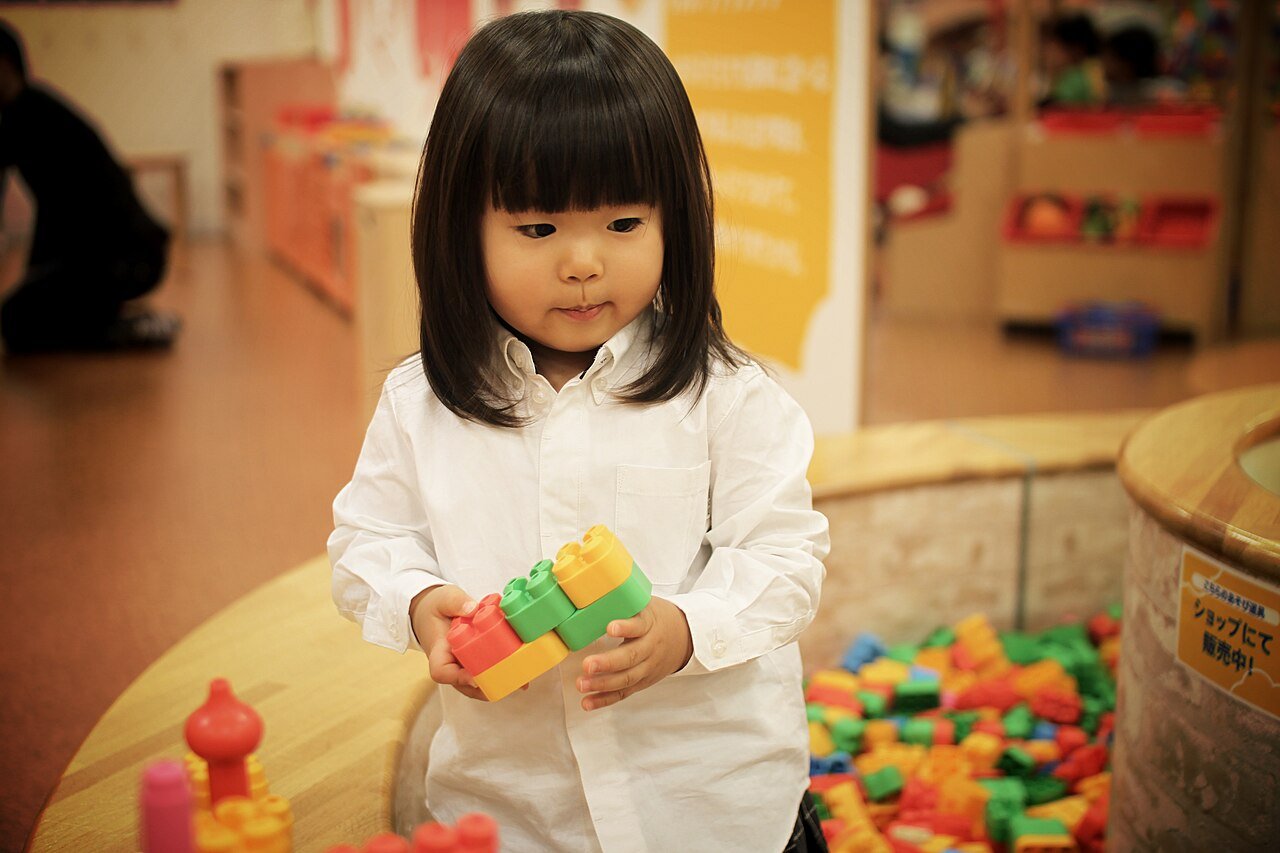
Board games and table games for a rainy afternoon
The tournament. Pick three board games the family already owns. Play one round of each and keep a running score across all three. The overall winner chooses the next family film. A tournament gives every game a purpose beyond a single round, and it stops the usual argument about which game to play.
Build a den. Give the children blankets, chairs, and cushions, and one hour to build the best den in the house. Judge it on three things: does it have a roof, can two people fit inside, and does it have a secret entrance? The den then becomes the reading corner for the rest of the day.
Dominoes rally. Stand dominoes in a long line and knock the first one over. Then make the line longer, add a turn, and build a bridge over a book. This is a slow, careful game that suits a rainy afternoon perfectly, and the crash at the end is always worth the wait.
Card game championship. Choose one simple card game the whole family can play, like matching pairs or a simple trick-taking game. Play five short rounds and keep the scores. The champion gets to choose the next game. Short rounds keep younger children involved because nobody is ever far behind for long.
A ready-made rainy-day plan
The simplest way to run indoor games for kids rainy day is to plan the afternoon in three blocks. Start with thirty minutes of high-energy games, like balloon keep-up and the floor is lava, while everyone is restless. Then move to thirty minutes of quiet games, like the memory tray and story chain, while the house calms down. Finish with one long family game, like a board game tournament or a den build, for the last hour. Write the plan on paper and stick it on the fridge so the children can see what comes next. When children know the next game is already decided, they stop asking what to do, because the afternoon already has a shape. And if the rain is still falling at dinner time, you have not wasted a day. You have had a game day, which is one of the best kinds of day there is. For more ideas that work just as well in a classroom as they do at home, these classroom games for kids are a good place to look, and if you do want a screen game later, Baamboozle runs in a browser with nothing to install.
More indoor games for kids on a rainy day
Sock puppet theatre. Give each child a clean sock and some pens. They draw a face on the sock, put it on their hand, and invent a character. Then the family puts on a five-minute play. The stage can be the back of the sofa. This game is quiet, creative, and perfect for the second half of a rainy afternoon, when the children need something calm.
Indoor picnic. Spread a blanket on the living room floor and eat lunch there, as if you were in the park. Let the children choose the food and lay out the plates. A picnic indoors turns an ordinary lunch into an event, and it breaks up the afternoon beautifully.
The hat game. Put a hat on the table. Each person writes the name of a famous person, an animal, or a character on a slip of paper and drops it in the hat. One person draws a slip, puts it on their forehead without looking, and asks yes-or-no questions to guess who they are. This game works for the whole family and it gets funnier with every round.
Frequently asked questions
How do I keep kids busy all afternoon on a rainy day?
Plan in blocks, not in hours. Three blocks of thirty to sixty minutes feel manageable, while five empty hours feel endless. One active block, one quiet block, and one family block will carry you to dinner. Let the children choose the game inside each block so they feel in charge of the day.
What if my children fight over the games?
Give every child a real job. In a quiz, the youngest child keeps the score. In a treasure hunt, the youngest child hides the prize. In a building game, the youngest child tests whether the tower stands. When every child has a role, there is less to argue about, because everyone is needed.
Do indoor games for kids on a rainy day need special equipment?
No. Every game in this guide uses things you already own: cushions, socks, spoons, paper, pencils, old board games, and empty bottles. If a game asks for something you do not have, swap it for the nearest thing in the house. A rolled-up pair of socks works as a ball, and a tea towel works as a blindfold.
How do I play indoor games with children of very different ages?
Choose games where the younger child can win honestly. In a memory game, give the younger child fewer objects to remember. In a race, give the younger child a head start. In a quiz, let the younger child answer the easy questions first. Small handicaps keep the game fair, and fair games are the ones children ask to play again.