
Two siblings, one afternoon, and a game that ends in tears. The older one wins again. The younger one accuses them of cheating. Someone throws a piece, someone else storms off, and the parent ends up refereeing instead of resting. It happens in every house with more than one child. The problem is not the children. The problem is the game. Most games make siblings compete against each other, and competition between brothers and sisters turns into a fight faster than anywhere else.
Games for siblings to play at home work best when they change that pattern. The games in this guide are cooperative: brothers and sisters play on the same team, against the game itself, instead of against each other. They win together or lose together, and nobody goes to bed angry. There are twenty of them here, for ages four to twelve, for two siblings or three or more, for indoors and outdoors, for quiet afternoons and rainy weekends. They will not end every argument. But they will give your children something they rarely get from a game: a reason to help each other.
Why Siblings Fight Over Games
Siblings fight over games for three reasons, and understanding them helps you pick the right game.
The first reason is the age gap. A ten-year-old and a five-year-old are not equal players. In a competitive game, the older child wins almost every time, and the younger child learns that playing means losing. That is not fun. It is a lesson in unfairness, and the younger child responds the only way they know how: by crying, by cheating, or by refusing to play.
The second reason is the audience. Siblings play in front of each other every day. There is no one else to impress and no one else to blame. Losing to a stranger is forgettable. Losing to your little brother, in your own living room, in front of your parents, feels personal. The stakes are higher at home than anywhere else, because the relationship is closer.
The third reason is that siblings know exactly how to upset each other. They know which taunt works, which face annoys, and which rule to argue about. A competitive game gives them a reason to use all of that knowledge. A cooperative game takes the reason away. When both children are on the same team, the taunts stop working, because hurting your teammate hurts your own chances of winning.
The Cooperative Rule
The rule for this whole guide is simple: siblings play on the same team. They play together against the game, against the clock, or against a puzzle. They do not play against each other.
Cooperative games work because they change what winning means. In a competitive game, winning means someone else loses, and at home that someone is your brother or sister. In a cooperative game, winning means everyone wins together. The children high-five instead of arguing. The younger child contributes something the older child cannot do alone. The older child helps the younger one, because helping is how the team wins.
It also changes how children talk to each other. In a competitive game, siblings say “you cheated” and “that is not fair”. In a cooperative game, they say “try this” and “what if we do it this way”. The language of the game becomes the language of teamwork, and that language carries into the rest of the day. A morning spent cooperating makes the afternoon calmer too.
Give the team a name. Let the siblings choose it together: the Dragons, the Super Siblings, the Unbeatables. A team name makes the cooperation real. It also gives them something to cheer for. The Baamboozle team names list has ideas if they get stuck, and picking a name together is the first cooperative game of the day.
20 Games for Siblings to Play at Home
Here are twenty games for siblings, grouped by type. Cooperative games are the heart of the list. Team-against-the-game games add a little competition without pitting siblings against each other. Quiet games are for calm afternoons. Outdoor games are for gardens and parks.
Cooperative Games
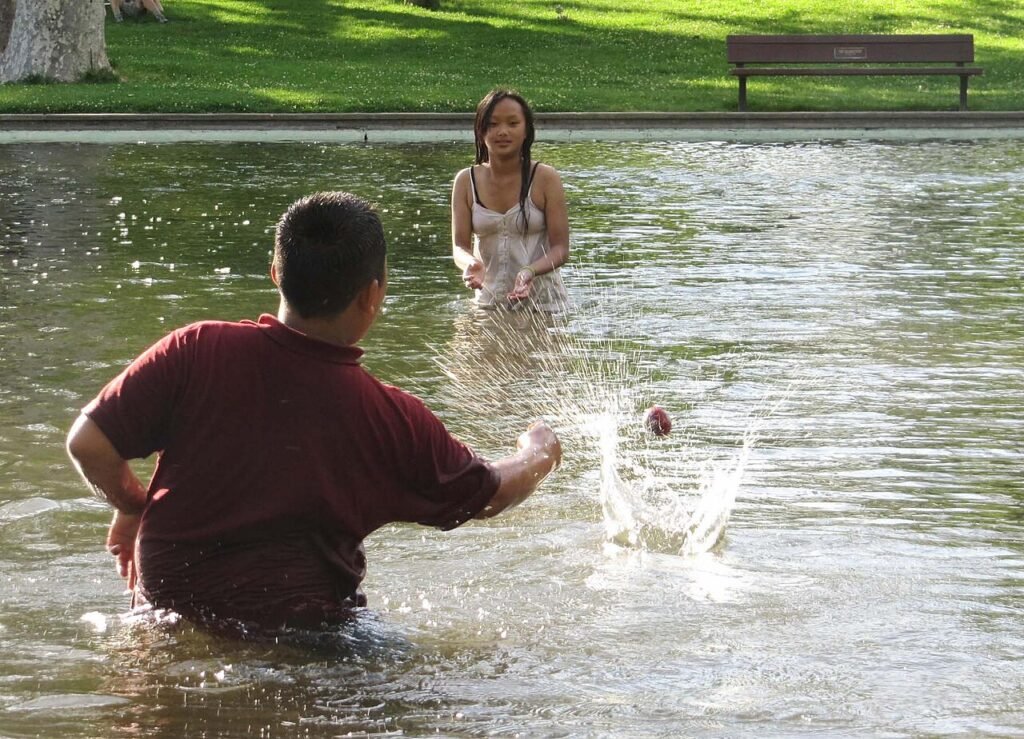
1. The Tower Builders. Siblings build the tallest tower they can from paper, books, cushions, or blocks. They work together, and the tower is theirs. If it falls, they rebuild it together. There is no loser, only a taller tower next time. Best for ages 4 and up, twenty minutes.
2. The Story Chain. One sibling starts a story with one sentence. The other adds a sentence, and the story grows. After ten rounds, read the whole story aloud. It is always stranger than anyone expected, and it belongs to both of them. Best for ages 5 and up, fifteen minutes.
3. The Treasure Hunt. One sibling hides ten small objects around the house, and the other finds them with clues. Then they swap. Better still, hide the objects together and invite a parent to find them. The siblings are a team, and the parent is the opponent. Best for ages 5 and up, thirty minutes.
4. The Puzzle Race. Siblings work together to finish a jigsaw puzzle before a timer runs out. Set the timer for thirty minutes and let them work. If they finish in time, they win together. If not, they try again tomorrow. Best for ages 6 and up, thirty minutes.
5. The Memory Match Team. Lay memory cards face down. Siblings take turns turning over two cards, but they share one score. They have to remember together, help each other, and celebrate every match as a team win. Best for ages 4 and up, fifteen minutes.
6. The Drawing Game. One sibling draws a picture in sixty seconds, and the other has to guess what it is. Then swap. Keep a shared score, and try to beat it together next time. The worse the drawing, the funnier the game. Best for ages 5 and up, fifteen minutes.
7. The Building Challenge. Give the siblings the same materials: paper, tape, and scissors. Their challenge is to build a bridge that holds a book, or a boat that floats in the bath. They design it together, test it together, and improve it together. Best for ages 7 and up, thirty minutes.
8. The Quiz Team. Open a quiz on the official Baamboozle website and let the siblings play as one team. They pick a tile together, answer together, and earn points together. It is the easiest cooperative game to start, because the board does the work and the siblings just have to agree. Best for ages 6 and up, twenty minutes.
Team Against the Game
9. Beat the Clock. Pick any game the siblings know, like a puzzle, a quiz, or a building challenge, and add a timer. The siblings play together against the clock. The clock is the opponent, not each other, and beating it feels like a real victory. Best for ages 6 and up, twenty minutes.
10. The Scavenger Hunt Team. Write a list of ten things to find in the house: something red, something round, something soft, something that tells the time. Siblings search together and bring everything back. The fastest team wins, and there is only one team. Best for ages 5 and up, twenty minutes.
11. The Board Game Team. Play a board game with the siblings on the same side, against a parent, or against the game itself. In Snakes and Ladders, they move one piece together and decide each roll as a team. In a quiz board game, they answer together. The game stays the same, but the sides change. Best for ages 5 and up, thirty minutes.
12. The Cooking Challenge. Siblings make something together: sandwiches, biscuits, a fruit salad. They divide the jobs, one stirs while the other pours, and they eat the result together. It is a game, a lesson, and lunch, all at once. Best for ages 6 and up, forty minutes.
13. The Obstacle Course. Siblings build an obstacle course from cushions, chairs, and blankets, then run it together, timed. They improve the course, then beat their own time. The opponent is the clock, and the team is the two of them. Best for ages 4 and up, thirty minutes.
Quiet Together Games
14. The Reading Pair. One sibling reads a page aloud, the other listens, then they swap. Choose a book they both like, and read one chapter a day together. It is quiet, it is calm, and it is the game that builds the strongest habit of all: reading together. Best for ages 6 and up, twenty minutes.
15. The Drawing Pair. Siblings draw the same picture together, one drawing the outline and the other colouring it in. Or they draw a picture together, taking turns to add one thing each. The finished picture belongs to both of them, and it goes on the fridge. Best for ages 4 and up, twenty minutes.
16. The Quiet Building Game. Siblings build something together in silence: a tower, a town from blocks, a den from blankets. No talking allowed, only pointing and showing. It is a calm game that teaches cooperation without words, and it is perfect for a tired afternoon. Best for ages 5 and up, thirty minutes.
17. The Compliment Game. Siblings take turns saying one kind thing about each other. It sounds simple, and it is. It also ends a hard day better than any other game. The rule is that the compliment has to be specific: not “you are nice”, but “you helped me with my puzzle today”. Best for ages 5 and up, ten minutes.
Outdoor Together Games
18. The Football Team. Siblings play football together against a parent, or against a wall, counting how many passes they can make without losing the ball. The record is theirs, and they try to beat it together. It is a team game that uses the whole garden. Best for ages 5 and up, thirty minutes.
19. The Garden Treasure Hunt. Hide ten objects in the garden, and let the siblings find them together with a map one of them drew. They search as a team, and the treasure is shared. It is the outdoor version of the indoor hunt, and it works for a whole afternoon. Best for ages 5 and up, thirty minutes.
20. The Den Builders. Siblings build a den together from blankets, chairs, and cushions, then play inside it. The den is their place, built by both of them, and the game is everything that happens inside it: reading, talking, playing, hiding. It is the simplest game on this list, and often the one they remember longest. Best for ages 4 and up, one hour.
Quick Games for Two Siblings
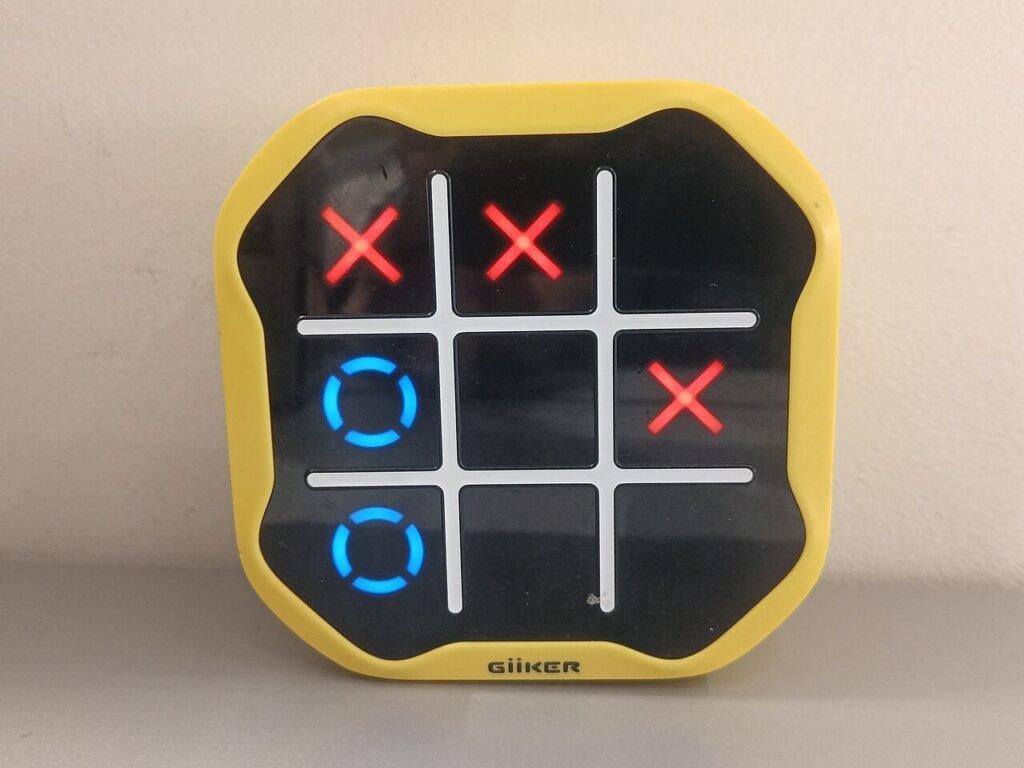
When there are only two siblings and only ten minutes, pick a fast cooperative game. The Memory Match Team takes fifteen minutes. The Drawing Game takes fifteen. The Story Chain takes ten. Tic-Tac-Toe, played as a team against a parent, takes five. The rule is the same in every case: the siblings are on the same side, and the game is the opponent. Even a five-minute game played together is better than a thirty-minute game played against each other.
Games for Two Siblings or Three or More
With two siblings, cooperative games are simple: the two of them are the team. With three or more, add roles. One is the builder, one is the finder, one is the keeper of the score. Rotate the roles each round, so no one is stuck with the boring job. In the Treasure Hunt, one sibling hides, one finds, and one keeps time. In the Quiz Team, one reads the question, one answers, and one keeps score.
With three or more siblings, also add a rule: the youngest player gets the first turn, every time. It is a small rule, but it stops the oldest from taking over. And let the youngest choose the game sometimes. A game chosen by the youngest is a game the youngest will play properly, and the older ones will follow.
When Siblings Still Fight
Cooperative games reduce fighting, but they do not end it. Siblings will still argue, even on the same team. When they do, stop the game. Do not try to referee the argument and keep playing at the same time. Pause, let everyone breathe, and ask what happened. Usually the argument is about fairness: one sibling feels they did more work, or got fewer turns. Fix the fairness, not the game.
If one sibling keeps taking over, give them a role that uses their energy: team captain, scorekeeper, or timekeeper. A child who is in charge of something stops trying to be in charge of everything. If one sibling keeps giving up, give them the easiest job first, and let them succeed. A child who succeeds once will try again.
And if the game is not working, stop it. Not every game works for every pair of siblings. Put it away, try a different one, and come back to it next week. The goal is not to finish the game. The goal is for the siblings to enjoy playing together, and if they are not enjoying it, the game has already failed.
Frequently Asked Questions
What is the best game for siblings who always fight?
A cooperative game where they play on the same team. The Tower Builders, The Puzzle Race, and The Quiz Team are the best starters, because there is no winner and no loser, only a shared result. Start with a game that cannot be lost by one sibling alone, and the fighting loses its reason.
How do I stop my children arguing over board games?
Play the board game as a team. In Snakes and Ladders, move one piece together. In a quiz game, answer together. In a card game, share one hand. The game stays the same, but the sides change, and when the sides change, the argument goes away. If they still argue, switch to a cooperative game from this guide.
Can siblings of very different ages play together?
Yes, if you give the younger child a real job. In a building game, the younger child holds the pieces while the older child builds. In a quiz, the younger child reads the question while the older child answers. In a treasure hunt, the younger child keeps the list. A younger sibling with a job is a teammate, not a burden.
How long should siblings play together?
Twenty to thirty minutes is right for most pairs. Shorter than that feels rushed. Longer than that, and tiredness turns into arguing. If a game is going well, play best of three instead of one long game. And end on a high note: stop while everyone is still having fun, not after the fun has faded.