
Summer school is a strange kind of teaching. The term is short, the groups are mixed, the students arrive with very different levels, and everyone, teachers included, knows it is summer. Nobody wants a classroom that feels like an extra helping of the school year. What summer school needs is review that feels like play, and that is exactly what baamboozle games for summer school do best.
Baamboozle fits summer school because it is fast, flexible and fun. You can run a whole review game in fifteen minutes, you can mix ages and levels in the same teams, and you can switch topics without preparing a new lesson. A game about fractions in the morning and a game about animals in the afternoon takes no more effort than opening two different games. For a short term with a lot to cover, that flexibility matters more than anything.
The games in this guide are built for review, not for new teaching. Summer school is the wrong place to introduce hard new topics. It is the right place to strengthen what students already learned, fill the gaps, and send them into the new school year confident. Every game here revises something useful while feeling like a game first and a lesson second.
Why Baamboozle Works for Summer School
Summer school groups are almost always mixed. You might have a seven-year-old and a ten-year-old in the same room, or a student who missed half the year sitting next to a student who just wants a challenge. A worksheet cannot serve both. A team game can, because the team carries the weaker player and the stronger player still gets to think.
Team play is the first reason Baamboozle works here. When students answer as a team, a younger student can contribute what they know and learn the rest from their teammates. Nobody is exposed alone, and nobody is bored waiting for others to catch up. The game moves at the speed of the team, not the speed of the fastest student.
The second reason is speed. A summer school day is short and the term is shorter. You cannot spend a week on one topic. A fifteen-minute Baamboozle game can revise a whole unit, and you can run two or three different games in a single morning. That pace suits summer school perfectly.
The third reason is variety. Summer school students get bored fast if every day looks the same. Baamboozle lets you change the format without changing the effort: a quiz on Monday, a Memory game on Tuesday, a Four in a Row game on Wednesday. The content stays serious, but the format keeps changing, and that is enough to keep students engaged.
The fourth reason is that it feels like a reward. Students who are in summer school often feel like they are being punished. A game on the big screen does not feel like punishment. It feels like the fun part of the day, even when it is revising fractions or spelling. That feeling matters, because a student who enjoys the review will remember it far better than a student who resents it.
12 Baamboozle Games for Summer School
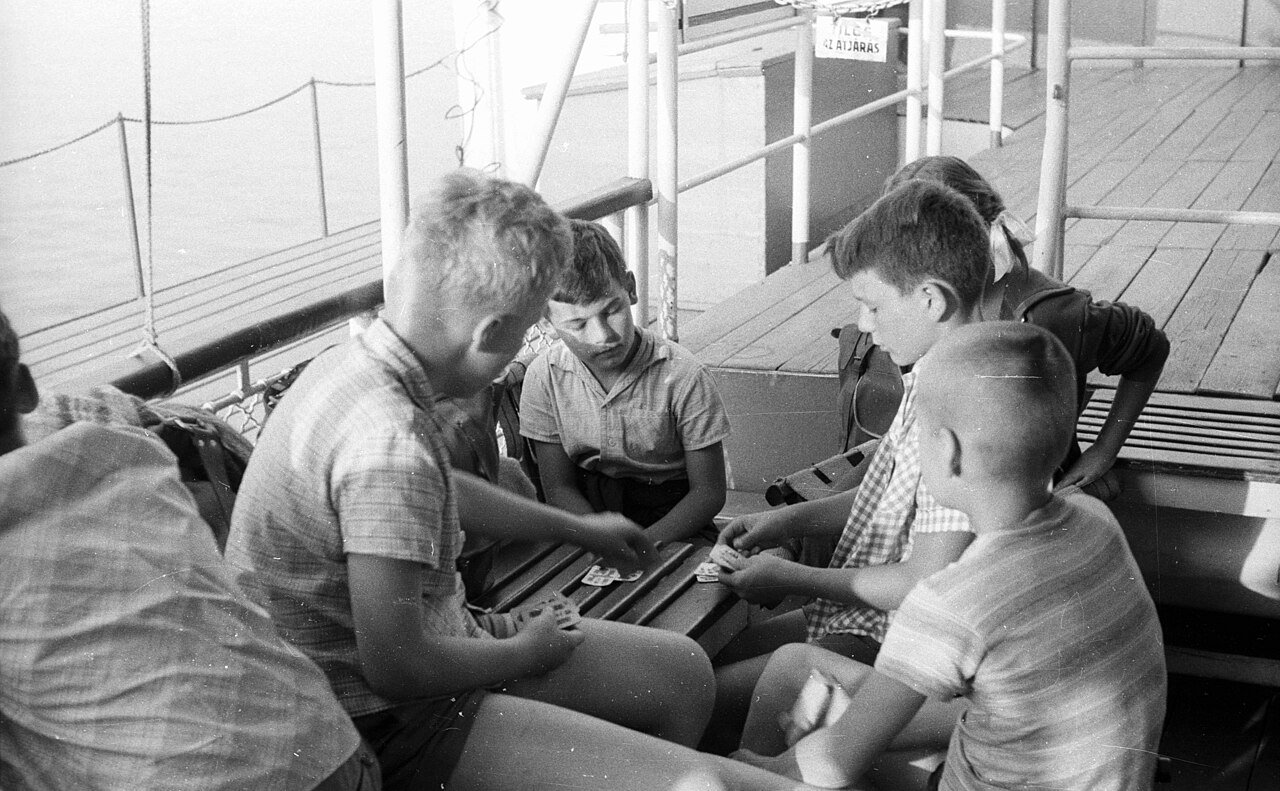
These twelve games cover a full summer school programme. Mix them across the weeks, and repeat the favourites with new questions.
1. Mixed Review Quiz
The workhorse of summer school. Ten questions from across the year: two maths, two spelling, two science, two geography, two general knowledge. It tells you in fifteen minutes what the group remembers and what it has forgotten, and it does it without a single worksheet. Run it on the first day to find the gaps, and again in the last week to show how far the group has come.
2. Vocabulary Refresh
Summer is when vocabulary slips most. Build a game with words from the past year, and ask for meanings, opposites and example sentences. Keep the words practical and the clues funny. A word like “enormous” becomes memorable when the wrong answers are “tiny”, “enormous” and “a kind of cheese”. Students laugh, and the laugh makes the word stick.
3. Maths Relay
A relay game where each team answers in turn and the score builds round by round. Use mixed operations so every student gets a question at their level: easy addition for the younger players, two-step problems for the older ones. The relay format keeps everyone watching, because the next question could be theirs.
4. Reading Comprehension Tiles
Read a short story together, then play a game about it. Who was the main character? What happened first? Why did the character make that choice? The game checks understanding in a way that feels like a quiz show rather than a test. Choose stories with a twist, because the discussion after each question is where the real learning happens.
5. Geography Tour
A world tour in ten questions. Each tile visits a new country, and teams guess the capital, the flag or a famous landmark. Add a few questions about the students’ own countries and hometowns, so the game feels personal. Geography is a natural fit for summer, when many students are travelling or thinking about holidays.
6. Science Snapshots
Short questions with surprising answers, one fact per tile. Why is the sky blue? How do bees find their way home? What is the hottest planet? Each answer comes with a one-sentence explanation, so the game teaches as it goes. Science snapshots work well as a calm morning game, before the energy of the day builds up.
7. Would You Rather: Summer Edition
Would you rather swim with dolphins or fly in a hot air balloon? Would you rather build the biggest sandcastle or find a hidden cave? Summer-themed either-or questions are perfect for the first week, when the group is still getting to know each other. There are no wrong answers, everyone has an opinion, and the game doubles as an icebreaker.
8. Summer Trivia
Trivia about summer itself: sports, seaside, ice cream, festivals, animals in summer. Ten fun questions that celebrate the season. It is light, it is joyful, and it reminds students that summer school can still feel like summer. Save it for a Friday afternoon, when energy is low and the group needs a lift.
9. Spelling Refresh
Ten words from the past year, plus five new ones to stretch the group. Run it as a quiz where the answer choices are different spellings of the same word. Spelling slips over a long break, and a short weekly game keeps it fresh without any drilling. Let students suggest words for next week’s game, and they will start noticing spellings everywhere.
10. Story Chain
Each tile shows the first line of a story, and teams take turns adding the next sentence. The game is part quiz and part creative writing, and the stories it produces are usually hilarious. Story Chain works best at the end of the day, when students are relaxed and ready to be silly. Keep the best stories and read them back on the last day.
11. Art and Music Quiz
Questions about famous paintings, songs, instruments and artists. Who painted the Mona Lisa? Which instrument has 88 keys? What is the loudest instrument in an orchestra? It is a gentle change from the usual subjects, and it lets students who are not strong in maths or spelling shine. Art and music games are often the ones students remember best.
12. End-of-Summer Celebration Game
The last-day game. Mix the best questions from the whole term, add a few funny ones about the summer school itself, and let the whole group play together in one big team against the clock. End with a small celebration: a certificate, a round of applause, or simply the teacher saying what each student improved. The game closes the term on a high note, which is how summer school should end.
How to Plan a Summer School Week with Baamboozle
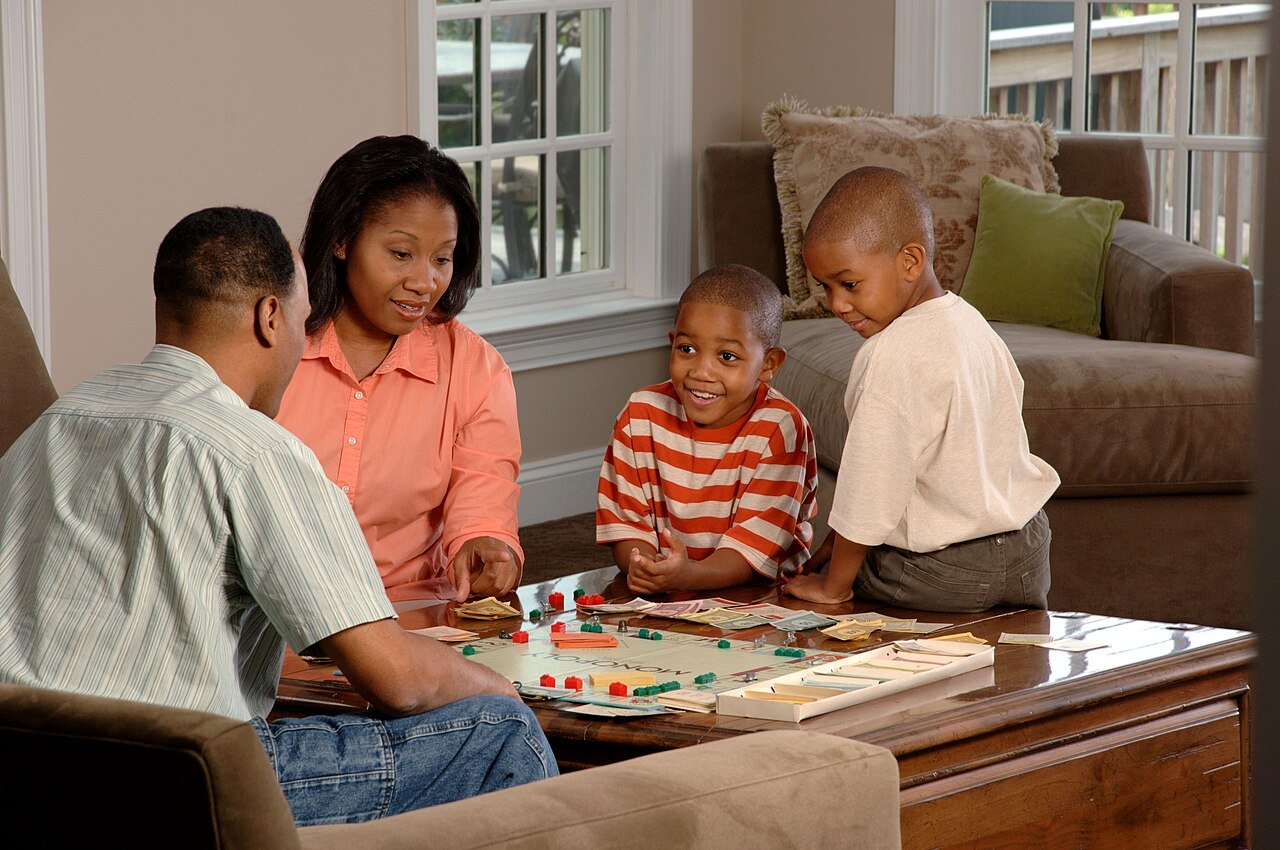
A good summer school week has a shape. Without one, the days blur together and the review loses its purpose. Here is a simple pattern that works.
Start Monday with the Mixed Review Quiz. It shows you what the group remembers and it sets the tone: this is a place where we play and learn. Use the results to choose the rest of the week’s games. If spelling is weak, add the Spelling Refresh. If geography is strong, skip the tour and try something harder.
Use Tuesday and Wednesday for subject games. One day for words and reading, one day for maths and science. Two games a day is plenty, with a break between them. Keep each game to fifteen minutes, and leave time for a short discussion after the tricky questions. The discussion is where the revision actually happens.
Make Thursday the creative day. Story Chain, Art and Music, or the create-your-own-questions game. Creative games feel different from the rest of the week, and they let students who are not strong in the core subjects show what they can do. They also produce something you can keep: a story, a game, a piece of art.
End Friday with something light. Summer Trivia, Would You Rather, or a repeat of the week’s favourite game with new questions. Friday is for celebrating what the group learned, not for pushing new content. If the week went well, the students will ask to play again, and that is the best sign of all.
If you need to build a game of your own for any of this, the process is quick. Read how to create a Baamboozle game once, and you will be able to make a ten-question game in about ten minutes. Build the games on Sunday evening for the week ahead, and the whole week runs smoothly.
Summer School Games by Age Group
Younger students, ages five to eight, need short games with pictures and simple words. Would You Rather, Favourite Things and the Geography Tour with flags all work well. Keep the rounds to eight or ten questions, let them answer together out loud, and celebrate every correct answer loudly. Young children love the surprise tiles, so leave them on.
Ages nine to twelve can handle more thinking. Mixed Review, Maths Relay, Science Snapshots and Story Chain all suit this age. They like competition, so keep the score visible and let teams choose their own names. They also like making their own questions, so the create-your-own game is a strong choice for this group.
Teenagers in summer school need games that respect their age. Avoid anything that feels babyish. Trivia with genuinely hard questions, the Art and Music quiz, and the End-of-Summer Celebration game all work, because they feel like real quizzes rather than children’s games. Teenagers also respond well to games they can play in small teams with minimal teacher involvement, so give them the game and step back.
Mixed-age groups need team games where everyone can contribute. The trick is to build questions at different levels into the same game: easy questions for the younger players, hard ones for the older ones, and a few that everyone can answer. Teams should be mixed by age, so the older students help the younger ones and the younger students get to answer the questions they know.
Keeping Summer School Fun Without Losing the Learning
The hardest part of summer school is the balance. Too much fun and nothing is learned. Too much learning and the students stop coming, or stop caring. Baamboozle helps because the game format hides the learning inside the fun, but you still need to steer it.
First, always discuss the answers. After a tricky question, stop and ask why the answer is right. A thirty-second explanation after a fractions question teaches more than the question itself. If you rush through the game without discussing anything, the students will remember the score and forget the content.
Second, connect the game to the next lesson. If the morning game revised fractions, the afternoon activity should use fractions. The game becomes a warm-up rather than a standalone event, and the learning sticks because it is used twice.
Third, let students make games. A student who builds a quiz about a topic has to understand it well enough to write questions and believable wrong answers. That is deeper learning than answering questions, and it keeps the strongest students challenged. You can find ready-made games and building tips on the official Baamboozle site if you want a starting point.
Fourth, track progress lightly. Keep a simple note of which topics the group found hard in week one, and repeat those topics in week three. You do not need a formal test. A second run of the same game, with the scores compared, shows progress clearly and gives the group something to celebrate.
Finally, end every day with something positive. A funny question, a good story, a moment of praise. Summer school students remember how the day felt more than what they learned. If the day felt good, they will come back tomorrow ready to learn.
Frequently Asked Questions
What are the best baamboozle games for summer school?
The best choices are the Mixed Review Quiz, Maths Relay, Science Snapshots and Story Chain. They revise real content, they work in mixed-age groups, and they run in fifteen minutes. Add Would You Rather in the first week for getting to know the group, and the End-of-Summer Celebration game on the last day.
How do I plan a summer school week with Baamboozle?
Start Monday with a Mixed Review Quiz to find the gaps, use Tuesday and Wednesday for subject games, make Thursday creative, and end Friday with something light. Keep each game to fifteen minutes, discuss the tricky answers, and rotate the games so no two days look the same.
Can Baamboozle games work for mixed-age summer school groups?
Yes. Team play is the key. Build questions at different levels into the same game, mix the teams by age, and let older students help younger ones. Everyone contributes something, and nobody is exposed alone. Keep the questions varied so every student gets a turn to shine.
How long should a summer school Baamboozle game last?
Fifteen minutes is ideal. That is enough for ten to twelve questions with a short discussion after the tricky ones. Longer games lose the group’s energy, especially in summer. Two short games with a break between them work far better than one long game.