
Keeping teenagers engaged in a review lesson is one of the hardest parts of teaching. By high school, students have seen every worksheet and quiz format there is. That is where baamboozle for high school students earns its place: it turns the same review questions into a fast team game that students actually want to win.
Baamboozle is a browser-based classroom game. The teacher opens it on one shared screen, the class splits into teams, and teams take turns picking numbered tiles, answering the question behind each tile and earning points. Surprise tiles keep every round unpredictable. Students need no devices and no logins.
High school students respond to competition, and Baamboozle is built around it. The rules take under a minute to learn, yet the scoring stays uncertain until the last tile, so nobody switches off halfway through.
Table of Contents
Why Baamboozle for High School Students Works
The game also works because it is public. Everyone watches the same screen, hears the same questions and sees the same score. Students who would never raise a hand in a normal lesson will shout out answers when their team needs the points.
It also fits high school because it is flexible: more than 4 million public teacher-made games cover almost every subject, so pick a ready-made game, edit it, or build one from scratch in minutes.
How to Set Up Baamboozle for High School Students
Setting up takes about five minutes. First, choose or create your game: search the public library for your topic or write your own questions. Aim for questions that need real thinking, not one-word recall, with a mix of easy, medium and hard questions.
Second, decide your teams. Two to four teams work best, and letting students pick team names gets them invested before the first question. With Baamboozle+ you can run up to 8 teams and use a 6-digit Class PIN, but the classic shared-screen setup needs no student devices.
Third, open the game on the classroom screen and explain the rules in one sentence: pick a tile, answer, earn points. New to the platform? Our guide to how to play Baamboozle walks through the setup, and Baamboozle game modes explained shows which mode fits which lesson.
Best Ways to Use Baamboozle in High School Subjects
Baamboozle fits almost every high school subject. Here are ideas for four core areas.
History and Social Studies
History is one of the strongest subjects for this format. Ask students to name the cause of an event, order events on a timeline, or match a quote to its speaker. Timeline questions work well because students argue about the order first.
Science
Science questions should go beyond naming parts and processes. Ask students to predict an experiment’s outcome, explain a result, or spot the mistake in a flawed method.
English and Language Arts
English works well with quotation questions, vocabulary in context and short analysis prompts. Ask teams to spot the literary device in a line or explain what a character’s choice reveals.
Maths
Maths games work best when questions ask for a method, not just an answer. Ask teams to name the first step of a problem, or show a worked solution with one error and ask where it went wrong.

Keeping Older Students Engaged
Older students can be quick to dismiss a game as childish, so the way you frame it matters. Do not present it as a fun break. Present it as a competition with a clear prize, even if the prize is only bragging rights until the next lesson.
Rotate who answers for each team so the same confident students do not dominate. Give teams a short discussion window before each answer, which turns the game into group revision. Keep teams to four to six students.
Baamboozle for High School Students: Exam Prep That Feels Like a Game
Exam season is when baamboozle for high school students is at its most useful. Revision is repetitive, and repetition kills motivation. A game format lets students cover the same material several times without feeling like they are doing the same worksheet again.
Try this structure: ten minutes of recap, a twenty-minute game on the whole topic, then ten minutes on the questions teams got wrong. Those wrong answers are the most valuable part of the lesson, because the game has just shown you where the gaps are.
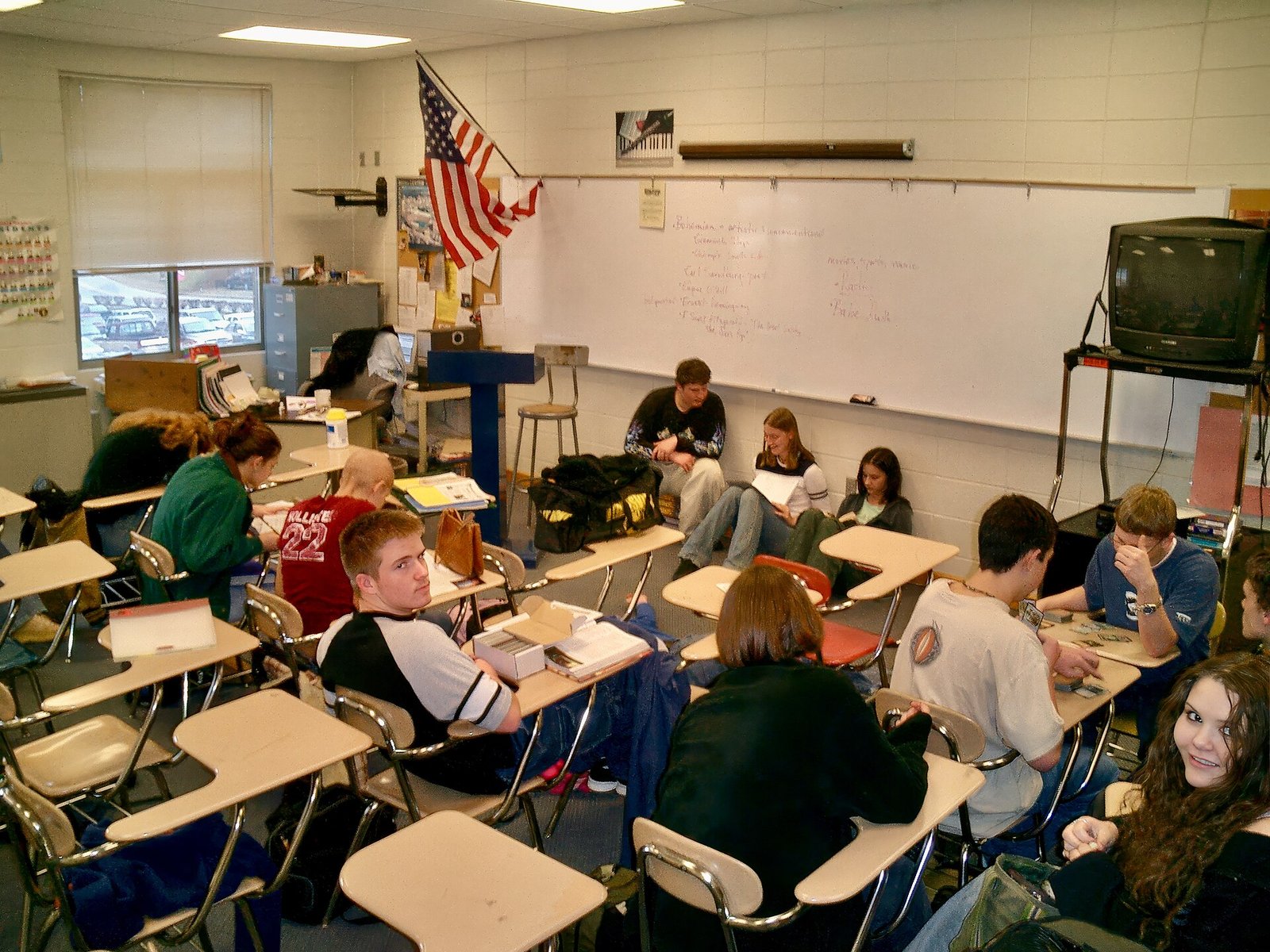
You can also flip the preparation: ask students to write five questions each as homework, then build the next game from them. Writing questions forces students to understand a topic well enough to test someone else on it.
Tips for Teachers Using Baamboozle With Teenagers
Keep the pace brisk: twenty to thirty questions, about twenty minutes of play. If every question is easy, the game feels pointless; if every question is hard, only the top students play. A spread of difficulty keeps every team believing it can win.
Keep the score visible and announce the running total every few rounds. Finally, debrief after the game: ask which questions surprised students and which topics need another look.
Quick Checklist: Your First Baamboozle Game for High School
- Pick a topic and write 20 to 30 mixed-difficulty questions
- Search the public library, then edit a game for your syllabus
- Split the class into 2 to 4 teams; let them choose names
- Open the game on the shared classroom screen
- Explain the rules in one sentence: pick a tile, answer, earn points
- Give teams 30 seconds to discuss before answering
- Keep the game to about 20 minutes
- Spend the last 10 minutes on questions teams got wrong
Frequently Asked Questions
Is Baamboozle suitable for high school students?
Yes. The format is a team competition, not a children’s quiz. Write questions at the right level — analysis, prediction and problem-solving instead of simple recall — and frame the game as a competition.
Do high school students need devices or accounts to play Baamboozle?
No. The teacher opens the game on one shared screen and students play as teams, with no devices and no logins. With Baamboozle+, students can join with a 6-digit Class PIN, but this is optional.
How many questions should a high school Baamboozle game have?
Twenty to thirty questions for a twenty-minute game. Fewer than fifteen and it ends too quickly; more than thirty and the pace slows. Mix easy, medium and hard questions.
Can Baamboozle be used for exam revision?
Yes, it is one of the best uses for it. Build games from past paper topics, use wrong answers to find knowledge gaps, and ask students to write their own questions as homework.
Baamboozle gives high school teachers a rare combination: a lesson format students enjoy and a revision tool that works. Setup takes minutes, no student devices are needed, and the competition keeps reluctant teenagers involved.
If you also teach older learners, our guide to Baamboozle for adults covers the same game with adult groups. To see the official platform and browse the public game library, visit Baamboozle.