
Every special education teacher knows the feeling: a worksheet lands flat, a student switches off, the pace falls apart. Games can change that when they are simple, visual, and low pressure. That is where Baamboozle for special education comes in. Baamboozle is a browser-based classroom game: the teacher opens it on one shared screen, the class splits into teams, and teams take turns picking numbered tiles, answering questions, and earning points. No student needs a device or a login — a natural fit for SEN classrooms.
Table of Contents
Why Baamboozle for Special Education Works So Well
Many SEN students learn best by seeing, hearing, and doing at the same time. Baamboozle puts the whole game on one big screen, so the whole class looks at the same thing. Nothing to log in to or download, no small screen to get lost on. The teacher controls the pace, so slow down or pause whenever the room needs a breath.
The format helps too. Questions appear one at a time, so students focus on one thing. Points and surprise tiles add excitement without feeling like a test. And because the class plays in teams, no student is ever put on the spot alone — a relief for students who worry about answering wrong in front of others.
How to Set Up Baamboozle for Special Education
Setting up takes only a few minutes. Go to the official Baamboozle website at https://www.baamboozle.com/ and search the library for your topic. The library holds more than four million public teacher-made games, so you will usually find something close. Preview it first and rewrite anything too hard or off topic. New to the platform? See our guide to how to play Baamboozle.
Keep the Questions Simple and Visual
Short questions work best: one idea, plain words, a clear answer. Add a picture where you can, or let the class answer by pointing or choosing between two options. Many SEN students understand far more than they can say, so pointing at an answer still counts. If a library game is too wordy, rewrite it, or build your own with ten or twelve questions.
Use Teams to Take the Pressure Off
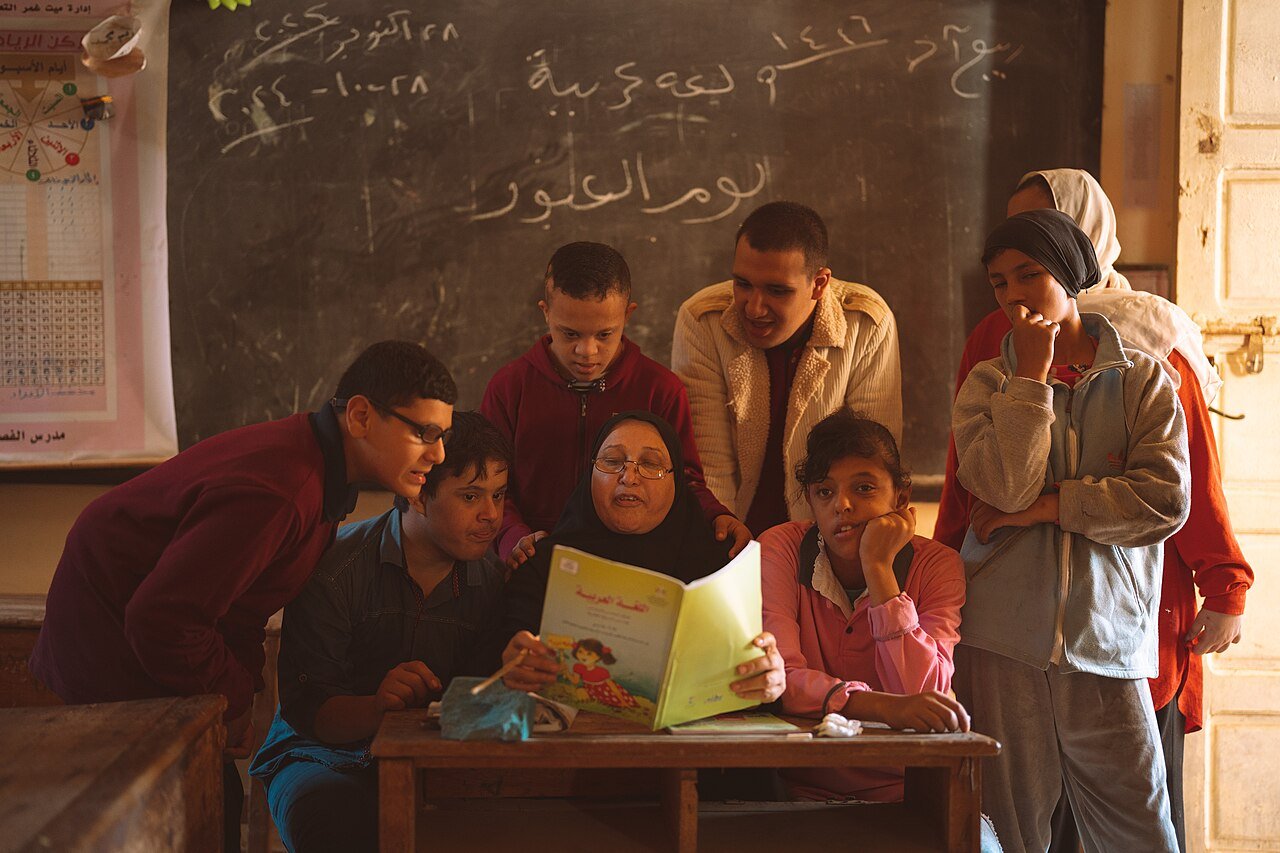
Two teams are enough for most SEN groups. Give each team a fun name and let them talk before answering. Rotate one spokesperson per turn, so every student gets a chance to speak without being forced. If a student does not want to answer, let a teammate help, or let the student point. The goal is participation, not perfection.
Adapting Baamboozle Games for Different Needs
Every SEN classroom is different, so the same game needs different tweaks. Baamboozle is flexible enough to bend without breaking.
For Students Who Need More Time
Turn off the rush: nothing forces an answer, so let the team think as long as it needs. Read the question aloud, then read it again. For extra processing time, give a quiet count or a visual cue, like holding up fingers.
For Non-Verbal and Minimally Verbal Students
Baamboozle works well for students who do not use speech, because answers can be shown rather than spoken. Use picture choices, yes or no cards, or a communication board. A student can point, hold up a card, or use a switch or device to answer. Make sure the team knows pointing is answering — celebrate it like a spoken answer.
For Students Who Need Routine and Predictability
Some students feel safest knowing exactly what will happen next. Keep the same structure every time: same teams, same order, same way of picking a tile. Warn the class before a surprise tile appears. If a student finds surprise tiles stressful, skip them or choose a game without them. A short, familiar routine builds confidence faster than a new game each lesson.
Practising Communication and Life Skills with Baamboozle
Baamboozle is not only for academic topics — it gently practises the skills SEN students use every day. Try games about greetings, feelings, or asking for help. Team play itself practises waiting, listening, and letting someone else speak first. It also gives everyone a shared thing to talk about, which helps students who find free conversation difficult. A question about a favourite food is a low-pressure way to start talking.
Keeping Sessions Short and Positive
Short sessions work best. Ten to fifteen minutes is plenty for most SEN groups. End while the energy is still good. Praise effort out loud: good listening, good teamwork. Points matter far less than how students feel afterwards. A student who leaves smiling will want to play again tomorrow.
Simple Game Ideas to Try First
Start with something familiar. A colours and animals game works well for younger students, and the visual style in our guide to Baamboozle games for kindergarten adapts easily to SEN groups. A daily routine game helps students talk about their own day. A feelings game, where teams name the feeling in a picture, starts gentle talks about emotions. For students learning English, our Baamboozle games for ESL students ideas work well too: short, visual, easy to adapt.
Baamboozle for Special Education Checklist
- Preview every game; rewrite questions in plain words
- Use pictures or two-choice answers
- Play in small teams so nobody answers alone
- Read each question aloud and repeat it
- Let students answer by pointing, a card, or a communication aid
- Keep sessions short; end on a high note
- Keep the same routine
- Praise effort and teamwork, not just correct answers
Frequently Asked Questions
Is Baamboozle suitable for students with severe learning difficulties?
Yes, if you adapt the game. Use very short questions, picture answers, and small teams, and let students answer by pointing or holding up a card. You control the pace, so slow the game down as much as needed. Start with familiar topics like colours or daily routines.
Do students need their own devices to play Baamboozle?
No. Baamboozle runs on one shared screen controlled by the teacher. No devices, accounts, or logins are needed, which keeps things simple. This is one reason it works well in SEN classrooms.
How do I keep Baamboozle calm for students who dislike surprises?
Keep the same routine, warn the class before a surprise tile, and choose games without them if your students find them stressful. Agree a class rule in advance, such as reading every tile aloud first, so nothing happens without warning.
Can I use Baamboozle for life skills, not just school subjects?
Yes. Games about feelings, greetings, routines, safety, and social situations work very well. Team play practises waiting, listening, and taking turns. Many teachers use it for communication and life skills as much as for reading or maths.
Baamboozle for special education works because it is simple, visual, and kind. One shared screen, one question at a time, and a team behind every answer. Start small and keep the routine steady.