
Say this three times fast: “She sells seashells by the seashore.” Now say it five times fast, in front of thirty classmates, while everyone is listening. That is the whole magic of tongue twister games for kids in the classroom. A tongue twister is a small sentence that trips the tongue, and the trip is the fun. Children laugh when they stumble, they laugh when their friends stumble, and they try again because they want to get it right. Behind the laughter, the games are doing serious work: they train clear speech, build phonics skills, and give shy children a safe way to speak in front of the class. This guide gives you ten games, fifty twisters graded by age, and the rules that keep the games kind, fair, and fun for everyone.
Why tongue twisters work in the classroom
A tongue twister is a phonics lesson in disguise. It repeats the same sounds over and over, so the mouth has to practise them. “Peter Piper picked a peck of pickled peppers” repeats the P sound eight times in one sentence. A child who says it five times has practised that sound forty times without ever noticing. Tongue twister games for kids in the classroom also solve a real teaching problem: getting children to speak clearly in front of others. Speaking in front of a class is frightening when the words are serious. It is not frightening when the words are silly. A child who will not read a paragraph out loud will happily try to say “red lorry, yellow lorry” three times fast, because everyone is laughing and nobody is judging. That is why tongue twisters are one of the best warm-up games a teacher has.
How to run a tongue twister game
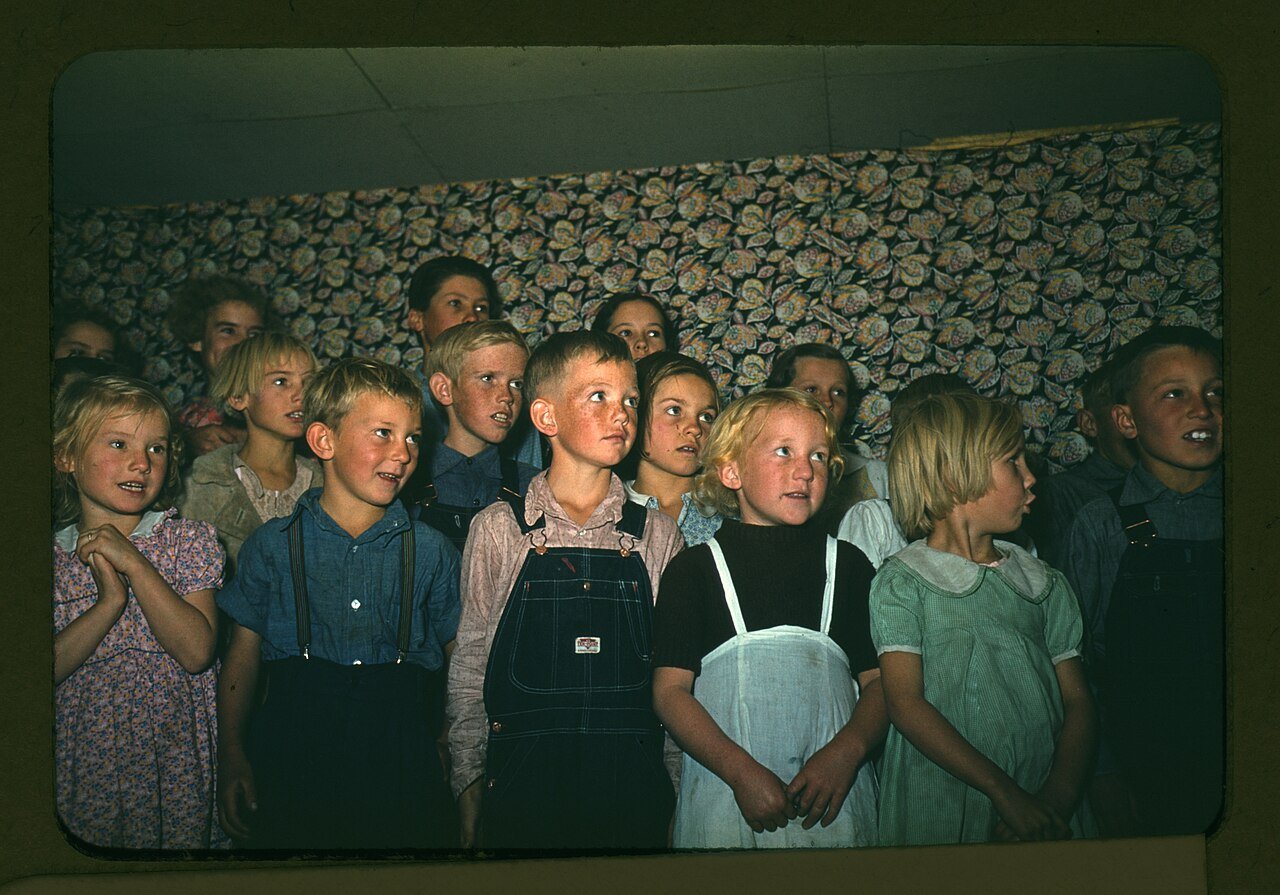
Every game in this guide follows the same simple pattern. First, the teacher reads the twister slowly, so the children can hear every word. Second, the class says it together, slowly, three times. Third, the class says it faster. Only then does the game begin. Never start a game with a twister the children have not heard before, because the first try is always a stumble, and a stumble in front of the class feels bad if it is the first attempt. Always let the class practise together first. Keep the score light: a point for trying is worth as much as a point for getting it right. And always let a child pass if they do not want a turn. A child who passes today will volunteer tomorrow, because they will have watched everyone else have fun.
10 tongue twister games for the classroom
1. Last one standing. The class stands in a circle. The teacher says a twister and points to a child, who must say it three times fast. If they stumble, they sit down. If they succeed, they stay standing and the next child goes. The last child standing wins. Use easy twisters for this game, because the pressure of the circle makes even simple twisters hard.
2. Speed round. Split the class into two teams. Read a twister and start a thirty-second timer. Each team takes turns saying it. Every clean run wins a point. The team with the most points after five rounds wins. Speed rounds work because they add energy without singling anyone out: the whole team shares the result.
3. The relay. Put five twisters on cards at the front of the room. One child from each team runs up, reads a twister three times fast, and runs back. The next child goes. The first team to finish all five cards wins. The relay is perfect for a Friday afternoon, because it gets children moving and laughing.
4. Whisper chain. Whisper a twister to the first child in a row. They whisper it to the next child, and so on down the line. The last child says it out loud. The class laughs at how much it changed. This game is quiet, it needs no equipment, and it works brilliantly as a calm-down game after lunch.
5. The judge. One child is the judge. Two children take turns saying the same twister. The judge picks the clearer speaker, not the faster one. This game teaches children to listen for clarity, and it gives the judge a real job that feels important.
6. Twister of the day. Write one twister on the board each morning. The class practises it together during the day: once after lunch, once before home time. By Friday, the class knows five twisters by heart. This is the easiest game in the guide, and it is also the one children remember longest.
7. Build a twister. Give the class a sound, like the SH sound or the CH sound. Each child writes one line using that sound. Put the best lines together into a class twister and practise it. Children love saying a twister they wrote themselves, and the game teaches them how sounds work.
8. The silly voice round. Each child says the same twister in a silly voice: a robot voice, a baby voice, or a whisper. The class votes for the funniest version. This game is pure joy, and it works because the silly voice removes the fear of getting it wrong.
9. Twister pairs. Give each child a card with half of a twister. They have to find the child holding the other half by reading their card out loud. When the pairs find each other, they say the whole twister together. This game is perfect for the start of a lesson, because it gets children talking to each other.
10. The championship. At the end of the week, run a small championship. Four children volunteer. Each one says three twisters, one easy, one medium, and one hard. The class votes for the champion. Give the champion a paper crown and let them choose next week’s twisters. A championship gives the whole week a purpose, and the children will practise all week without being asked.
50 tongue twisters by age
Ages 5 to 7: easy twisters. 1. Red lorry, yellow lorry. 2. Big black bug bit a big black bear. 3. She sells seashells by the seashore. 4. Fuzzy Wuzzy was a bear. 5. Six slick snails slid slowly seaward. 6. A big black bug bit a big black dog. 7. Betty bought some butter. 8. Clean clams crammed in clean cans. 9. Four fine fresh fish for you. 10. I scream, you scream, we all scream for ice cream.
Ages 7 to 9: medium twisters. 11. Peter Piper picked a peck of pickled peppers. 12. How much wood would a woodchuck chuck if a woodchuck could chuck wood? 13. I saw Susie sitting in a shoe shine shop. 14. The thirty-three thieves thought that they thrilled the throne throughout Thursday. 15. Six sick hicks nick six slick bricks with picks and sticks. 16. Which wristwatches are Swiss wristwatches? 17. A skunk sat on a stump and thunk the stump stunk, but the stump thunk the skunk stunk. 18. Black bug bit a big black bear, but where is the big black bear that the black bug bit? 19. Can you can a can as a canner can can a can? 20. I wish to wish the wish you wish to wish, but if you wish the wish the witch wishes, I will not wish the wish you wish to wish.
Ages 9 to 11: harder twisters. 21. The sixth sick sheik’s sixth sheep is sick. 22. If a dog chews shoes, whose shoes does he choose? 23. Send toast to ten tense stout saints’ ten tall tents. 24. Denise sees the fleece, Denise sees the fleas. 25. A loyal warrior will rarely worry why we rule. 26. The Leith police dismisseth us. 27. If you notice this notice, you will notice that this notice is not worth noticing. 28. Brisk brave brigadiers brandished broad bright blades, blunderbusses, and bludgeons. 29. Imagine an imaginary menagerie manager managing an imaginary menagerie. 30. Nine nice night nurses nursing nicely.
Ages 11 and up: challenge twisters. 31. The seething sea ceaseth and thus the seething sea sufficeth us. 32. A proper copper coffee pot. 33. Double bubble gum bubbles double. 34. Greek grapes, Greek grapes, Greek grapes. 35. I thought a thought, but the thought I thought was not the thought I thought I thought. 36. If two witches would watch two watches, which witch would watch which watch? 37. Rory the warrior and Roger the worrier were reared wrongly in a rural brewery. 38. The big black bug bled blue black blood, and the big blue bug bled black blue blood. 39. Each Easter Eddie eats eighty Easter eggs. 40. Lesser leather never weathered wetter weather better.
Classics for any age. 41. How can a clam cram in a clean cream can? 42. Toy boat, toy boat, toy boat. 43. Unique New York, unique New York. 44. The rain in Spain stays mainly in the plain. 45. Fresh fried fish, fish fresh fried. 46. Eleven benevolent elephants. 47. Silly Sally swiftly shooed seven silly sheep. 48. A pessimistic pest exists amidst us. 49. Three free throws. 50. Truly rural.
Tongue twisters for ESL and pronunciation
Tongue twisters are one of the best tools for children learning English, because they isolate the sounds that are hardest to hear and say. The TH sound, the R and L sounds, and the SH and CH sounds all cause trouble for learners, and twisters give them a fun way to practise. For ESL learners, use the easy list first and let the children practise in pairs before they try alone. Pair work matters, because a child who practises with a partner is not afraid of making a mistake. For more speaking and pronunciation games that work alongside twisters, these Baamboozle games for ESL students are a good next step, and Baamboozle has quiz games that turn any vocabulary list into a team contest.
Tongue twisters for the whole school
Tongue twisters work for one class, and they work even better for a whole school. Put one twister on the noticeboard each Monday and let every class practise it during the week. On Friday, hold a short assembly where one child from each class says the twister three times fast in front of the school. The assembly takes five minutes, the children love it, and the school gets a shared joke for the week. You can also run a school twister chart: each class earns a star when every child in the class can say the week’s twister. The class with the most stars at the end of the term wins a small prize, like choosing the next school song. A whole-school game turns a classroom activity into a school tradition, and traditions are what children remember years later.
Frequently asked questions
Are tongue twister games for kids in the classroom good for shy children?
Yes, if you never force a turn. Let shy children practise with the whole class first, then in pairs, and only then alone. Most shy children will volunteer once they have watched their friends have fun. A child who passes today will usually ask for a turn tomorrow.
How do I choose the right twister for my class?
Match the sounds to what the class is learning. If you are teaching the SH sound, use twisters full of SH words. If the class is young, use short twisters with simple words. If the class is older, use long twisters with tricky sounds. The lists in this guide are graded by age so you can pick in seconds.
What if the children laugh at a child who stumbles?
Set the rule on the first day: we laugh with the speaker, never at the speaker. The teacher should stumble first, on purpose, and laugh at themselves. When the teacher shows that stumbling is normal, the class follows. The best tongue twister classrooms are the ones where the teacher trips over the words more than anyone else.
How long should a tongue twister game last?
Five to ten minutes is right. A tongue twister game is a warm-up, not a lesson. Use it at the start of a lesson to wake the class up, or at the end to send them out smiling. Ten minutes of twisters gives the class energy without eating into teaching time.