
You learned to swim as a child, spent whole summers in the pool, and then life got in the way. School, work, moving house, a decade without a proper swim. Now you are standing at the edge of a pool on holiday, or your own child is asking you to get in the water, and a nervous question pops up: can you forget how to swim? It is a fair question, and it is one that plenty of adults quietly ask themselves. The good news is that the answer is mostly reassuring, but it comes with a few honest warnings that are worth hearing before you jump in. Swimming is a skill that lives in a different part of your memory than facts and figures, and that makes a real difference to how much of it you keep. That durability is the reason the question can you forget how to swim has such a reassuring answer for most people. This guide explains what actually fades when you stop swimming, what stays with you for years, how long it takes to feel comfortable again, and the safest way to get back in the water if you have been away for a long time.
The Short Answer: Can You Forget How to Swim?
Can you forget how to swim completely? For most people who once swam confidently, the honest answer is no, not completely. If you learned to swim properly as a child or as an adult and you could swim a full length of a pool without panic, that skill is stored as procedural memory, which is the same kind of memory that lets you ride a bicycle after years without one. Your body remembers the pattern of the arm strokes, the kick, and the breathing, even when your conscious mind has forgotten the details. That is why so many people who return to the water after ten or twenty years find that the first few strokes feel awkward and clumsy, and then something clicks and the rhythm comes back. It is not magic. It is your nervous system dusting off a movement pattern it practised hundreds of times.
But there is an important difference between remembering how to swim and being a safe swimmer right now. Your technique may survive a long break, but your stamina, your strength, your comfort in deep water, and your judgement about conditions do not. A person who could once swim for an hour without stopping may now get tired after two lengths. A person who once dived into the sea without a second thought may now feel a flutter of panic when the water is over their head. So the useful question is not only whether you can forget how to swim, but whether you are still safe in the water after a long break. Those are two different questions, and the second one deserves more care.
Why Swimming Feels Like Riding a Bike
People often compare swimming to riding a bicycle, and the comparison is useful up to a point. Both skills are learned through repetition until the movements become automatic. You do not have to think about each pedal stroke when you ride, and you do not have to think about each arm pull when you swim. Your brain stores these movement patterns in a way that is very different from the way it stores a phone number or a school lesson. Facts fade quickly when you do not use them. Movement patterns fade much more slowly, and they can often be brought back with a short period of practice.
What muscle memory actually stores
When people talk about muscle memory, they are really talking about motor learning. Your brain builds a program for a sequence of movements, and with enough practice that program runs with very little conscious effort. Swimming is a complex program: it combines arm strokes, leg kicks, breathing timing, body position, and balance in the water. Once that program is built, it is remarkably durable. Studies of motor learning show that well-practised skills can survive years of disuse, and that relearning them is much faster than learning them from scratch. That is why an adult who swam as a teenager can usually get back to a basic front crawl within a few sessions, while a complete beginner needs weeks of lessons to reach the same point.
Why swimming is different from riding a bike
The bicycle comparison has limits, and they matter for safety. If you wobble on a bicycle after years away, you fall on the ground and you get up. If you struggle in deep water, the consequences are far more serious. Water adds fear, cold, currents, and the simple fact that you cannot stand up and take a break in the middle of a lake. Swimming also depends more on fitness than cycling does. Your arms and legs have to work constantly to keep you afloat, and if your stamina has dropped, your technique alone will not save you. So while the movement pattern may still be there, the physical condition that makes swimming safe needs to be rebuilt. That is the part people forget when they ask whether you can forget how to swim, and it is the part that causes most of the trouble.
What Really Fades When You Stop Swimming
If you are wondering whether you can forget how to swim, it helps to break the skill into its parts, because they do not fade at the same speed. Some parts of swimming are almost permanent, which is why the question can you forget how to swim usually gets a reassuring answer. Others fade within weeks. Knowing which is which tells you exactly what to work on when you return.
Fitness and stamina go first
The first thing you lose is fitness. Swimming is a full-body workout, and the specific fitness it needs disappears faster than most people expect. After a few months without swimming, your arms tire quickly, your legs feel heavy, and you run out of breath much sooner than you remember. This is normal, and it is not a sign that you have forgotten how to swim. It is a sign that your heart, lungs, and muscles are out of swimming shape. The fix is simple but not instant: short, regular swims build it back. Most returning swimmers find that their stamina improves noticeably within three or four weeks of swimming twice a week. It is also the reason so many people who ask, can you forget how to swim, discover that their arms give out long before their technique does.
Technique gets rusty
Your stroke does not disappear, but it does get rough around the edges. Your arms may cross over in front of your head, your kick may become uneven, and your breathing may fall out of rhythm. You might swallow water on your first few lengths, or find that you are working much harder than you used to for the same speed. None of this means you have forgotten how to swim. It means the fine details of the movement need a little polishing. A single lesson with a coach, or even a few minutes of watching your own stroke, can often fix the biggest problems. Many swimmers are surprised at how quickly the smooth feeling returns once they slow down and focus on one thing at a time, such as breathing or body position. If a rusty stroke makes you ask, can you forget how to swim, the answer is still no for most people who once swam well.
Confidence and water comfort
The part that fades most quietly is confidence. Water comfort is a feeling, not a technique, and it depends on recent experience. If you have not been in deep water for years, your body may react with tension even though your mind knows you can swim. Your breathing becomes shallow, your muscles tighten, and every splash feels bigger than it is. This is especially common in open water, where you cannot see the bottom and there is no wall to grab. Confidence returns with gentle exposure: short swims in a calm pool, staying where you can stand, and letting your body relearn that the water will hold you up. Rushing this step is the most common mistake returning swimmers make. Confidence is also the part that makes people ask, can you forget how to swim, even when their stroke is still there.
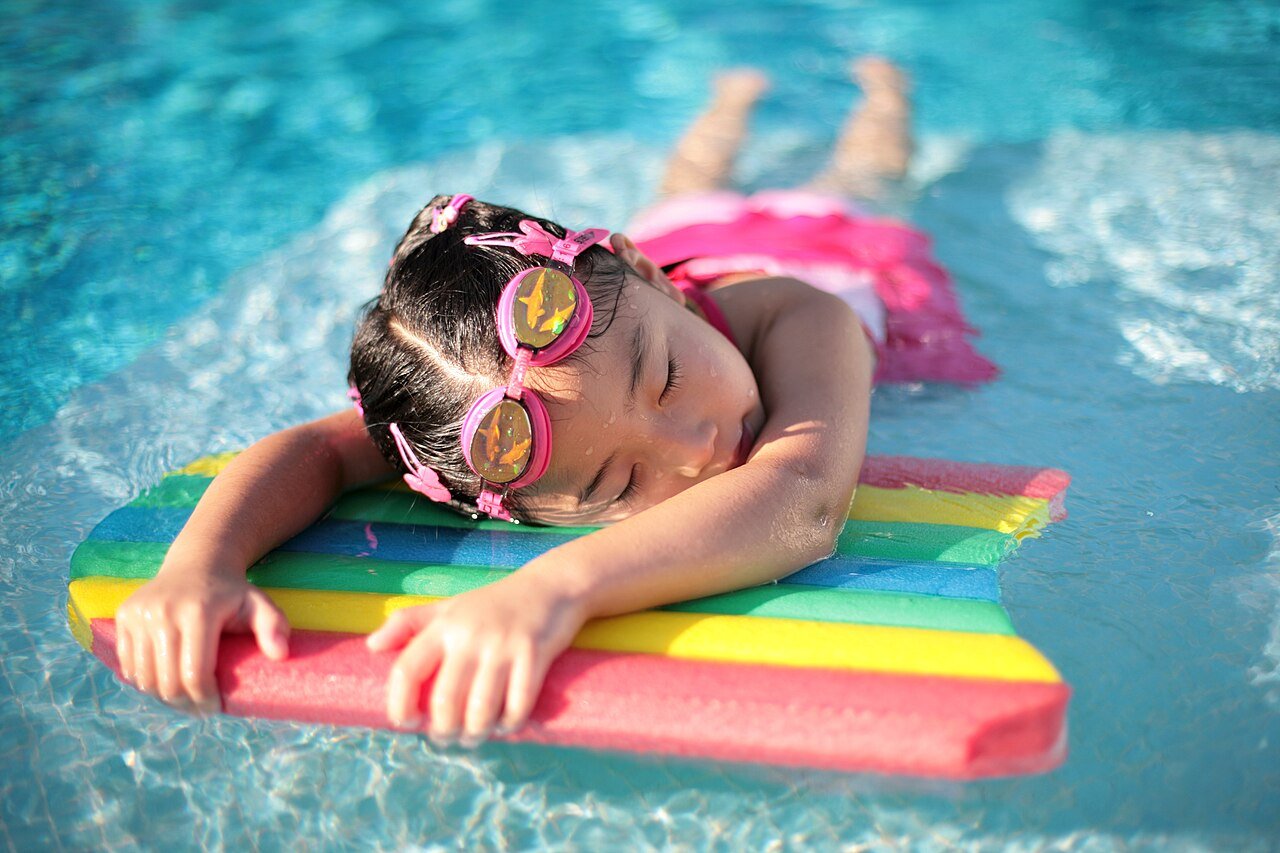
Can You Forget How to Swim Completely?
So, can you forget how to swim entirely, as if you had never learned at all? For someone who was a confident swimmer, that is very unlikely. True forgetting would mean losing the movement pattern altogether, and that generally only happens in two situations. The first is when the skill was never really learned in the first place. Many people say they can swim when what they really mean is that they can doggy-paddle a few metres or stay afloat for a short time with effort. That level of ability is fragile, and it can fade to almost nothing after years away. The second situation is a medical one: certain brain injuries or conditions that affect memory and movement can take away learned skills, including swimming. Outside of those cases, the skill stays, even if it is buried under years of disuse.
That said, there is a real danger in assuming you are the swimmer you used to be. People drown not because they forgot how to swim, but because they overestimated what their body could still do. They jump into a lake they used to cross easily, or they try to swim out to a boat, and they discover halfway there that their arms are tired and their breathing is ragged. The water does not care how good you were ten years ago. If you want to stay safe, treat your first swims after a long break as a fresh start, even if the movements feel familiar. The American Red Cross water safety guide describes five water competency skills that every swimmer should be able to do: enter water over your head and return to the surface, float or tread water for at least a minute, turn around in the water, swim at least 25 yards, and get out of the water safely. Before you swim in open water or deep water, test yourself against that list in a pool. If you can do all five without panic, your swimming has survived the break. If you cannot, you know exactly what to practise.
How Long Does It Take to Get Your Swimming Back?
One of the most encouraging things about returning to swimming is how fast it comes back compared with learning it the first time. The timeline depends on how long you were away and how strong a swimmer you were before, but most people are pleasantly surprised. If you have been asking yourself, can you forget how to swim, the timeline below should reassure you.
After a few months away
If you have only been away for a few months, you will probably feel almost normal within two or three swims. Your stamina will be lower, and your first session may leave your arms sore, but your stroke and breathing should settle quickly. Swim shorter distances than usual, rest at the wall as often as you need, and do not try to match your old times on the first day back.
After a few years away
After a few years away, expect the first session to feel strange. Your body will remember the movements, but they will feel uncoordinated for the first few lengths. Most people find their rhythm by the second or third session, and their stamina catches up over three to six weeks of regular swimming. This is a good time to take one refresher lesson. A coach can spot the habits that have crept in, such as lifting your head too high to breathe or kicking from the knees, and fix them before they become permanent. By the third session, most people stop asking, can you forget how to swim, because the answer is already obvious in the water.
After ten years or more
After a decade or more away, the movement pattern is usually still there, but everything around it needs rebuilding: fitness, confidence, and water comfort. Give yourself six to eight weeks of gentle, regular practice before judging where you stand. Start in the shallow end, use a kickboard or pull buoy to isolate parts of the stroke, and build your distance a little at a time. Many adults in this situation find that a short course of adult swimming lessons is the fastest and safest route back, because a coach can rebuild the skill in the right order instead of letting you practise mistakes. Even after a decade away, the answer to can you forget how to swim is usually no, as long as you were a confident swimmer before the break.
How to Relearn Swimming Safely
Getting back into swimming after a long break is not difficult, but doing it in the right order makes it faster and much safer. The goal of your first few sessions is not speed or distance. It is rebuilding trust between you and the water. If you have been wondering, can you forget how to swim, these first sessions will show you that your body remembers more than you feared.
Start in the shallow end
Begin where you can stand comfortably. Walk into the water, practise floating on your back, and let yourself get used to the feeling of being supported by the water. Try a few gentle push-offs from the wall and glide. If that feels easy, add a few strokes. If it feels hard, stay in the shallow end for the whole session. There is no rush, and no one is watching your progress except you. Many returning swimmers make the mistake of heading straight for the deep end to prove something to themselves. The shallow end is where the relearning actually happens. This gentle start is also the best answer to the worry behind can you forget how to swim, because it lets you test your skill where it is safe to do so.
Rebuild breathing first
Breathing is the part of swimming that falls apart first and matters most. If your breathing is rushed, everything else falls apart with it. Practise breathing drills before you worry about speed: hold the wall and practise turning your head to breathe, or swim with a kickboard and focus only on a slow, steady breathing rhythm. Breathe out slowly under the water and breathe in quickly when you turn your head. Once your breathing is calm, your arms and legs will usually follow. A relaxed swimmer is a safe swimmer, and calm breathing is what makes relaxation possible.
Take a refresher lesson
Even confident swimmers benefit from a single refresher lesson after a long break. A good coach will watch you swim for a few lengths and tell you the one or two things that will make the biggest difference. That is much faster than trying to fix everything yourself over several weeks. Lessons also give you a safe structure: a coach, a quiet lane, and a plan for the session. If you feel nervous about returning, a lesson is the best way to turn that nervousness into progress. Many pools run short adult refresher courses that are designed exactly for people in your situation.
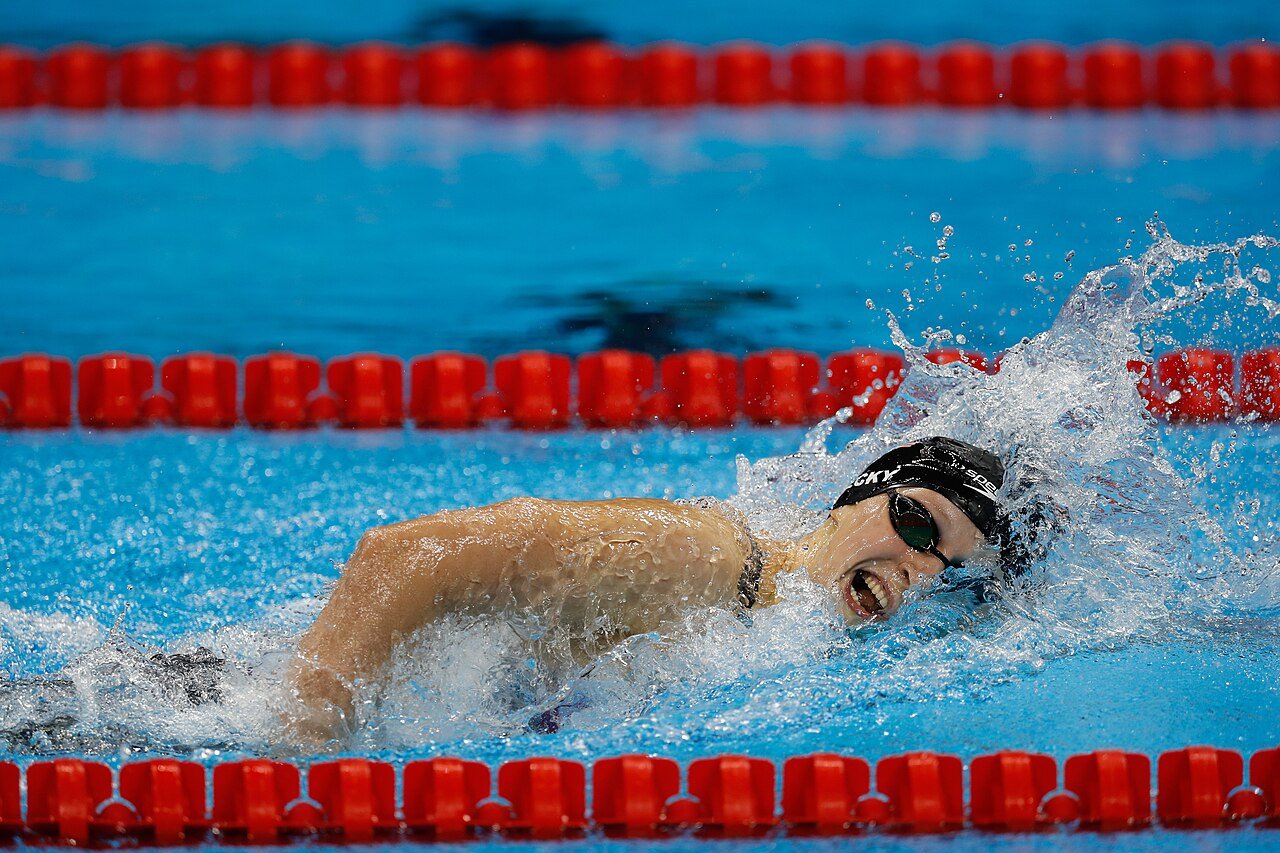
When Should You Worry?
Most people who ask whether you can forget how to swim are really asking whether they are safe, and there are a few situations where the answer needs more care. If you never learned to swim properly and only ever managed a few metres of doggy paddle, treat yourself as a beginner and take lessons from the start. If you have a strong fear of water, or you panic when your face goes under, do not try to push through it alone; a patient instructor can help you work through that fear step by step. If you have a medical condition that affects your breathing, your heart, or your muscle control, talk to your doctor before you start swimming again. And if you are returning after an injury or surgery, follow your doctor’s advice about when it is safe to get back in the water. None of these situations means you can never swim. They just mean that the safe route back is slower and more structured, and that is perfectly fine.
Can You Forget How to Swim as a Child vs as an Adult?
Age matters, but not in the way most people think. Children who learn to swim and then stop often keep the skill for life, because their brains are very good at storing movement patterns. A child who swam well at eight and stops at ten will usually still be able to swim at twenty, even if they are out of practice. Adults who learn later in life also keep the skill, but the pattern may be less deeply stored if they only swam for a short time before stopping. An adult who took lessons for one summer and then never swam again may find that more of the skill has faded than a person who swam for years. The rule of thumb is simple: the longer and more often you swam before the break, the more of it you will keep. Either way, relearning is always faster than learning from nothing, because your brain has a pattern to return to instead of starting from zero.
It is also worth knowing that older adults can absolutely relearn swimming, and many do. Age does not erase the movement pattern. What changes with age is fitness and joint flexibility, so the return needs to be gentler and the warm-up longer. Water is kind to older bodies: it supports your weight and lets you exercise without pounding your joints. Many people in their sixties and seventies return to swimming after decades away and find it becomes one of their favourite forms of exercise.
Bottom Line
So, can you forget how to swim? For most people who once swam well, the answer is no, not really. The movement pattern stays in your body for years, even decades, and it comes back faster than you expect. What does fade is your stamina, your technique, and your confidence, and those need a few weeks of gentle practice to rebuild. The safest way back is to start in the shallow end, rebuild your breathing first, and consider a refresher lesson. Test yourself against the five water competency skills before you swim in deep or open water, and never let pride push you further than your current fitness allows. If you keep notes on your drills and progress, you might find it handy to know how to convert PNG to PDF online so you can keep your paper drill sheets and certificates together in a single file. Swimming is a skill for life, and a short break, even a very long one, does not have to be the end of it. Get back in the pool, take it slowly, and you will probably find that your body remembers more than you thought it would.