
Sight words are the words children meet on almost every page, and they are also the words that trip young readers up most often. Words like the, said, was, come and because cannot be sounded out neatly, so children need to recognise them at a glance. That is exactly what baamboozle sight word games are good at. They turn dull repetition into a team contest, a race against the clock, or a mystery to solve, and the repetition happens so naturally that children barely notice they are drilling the same ten words for the third time that week.
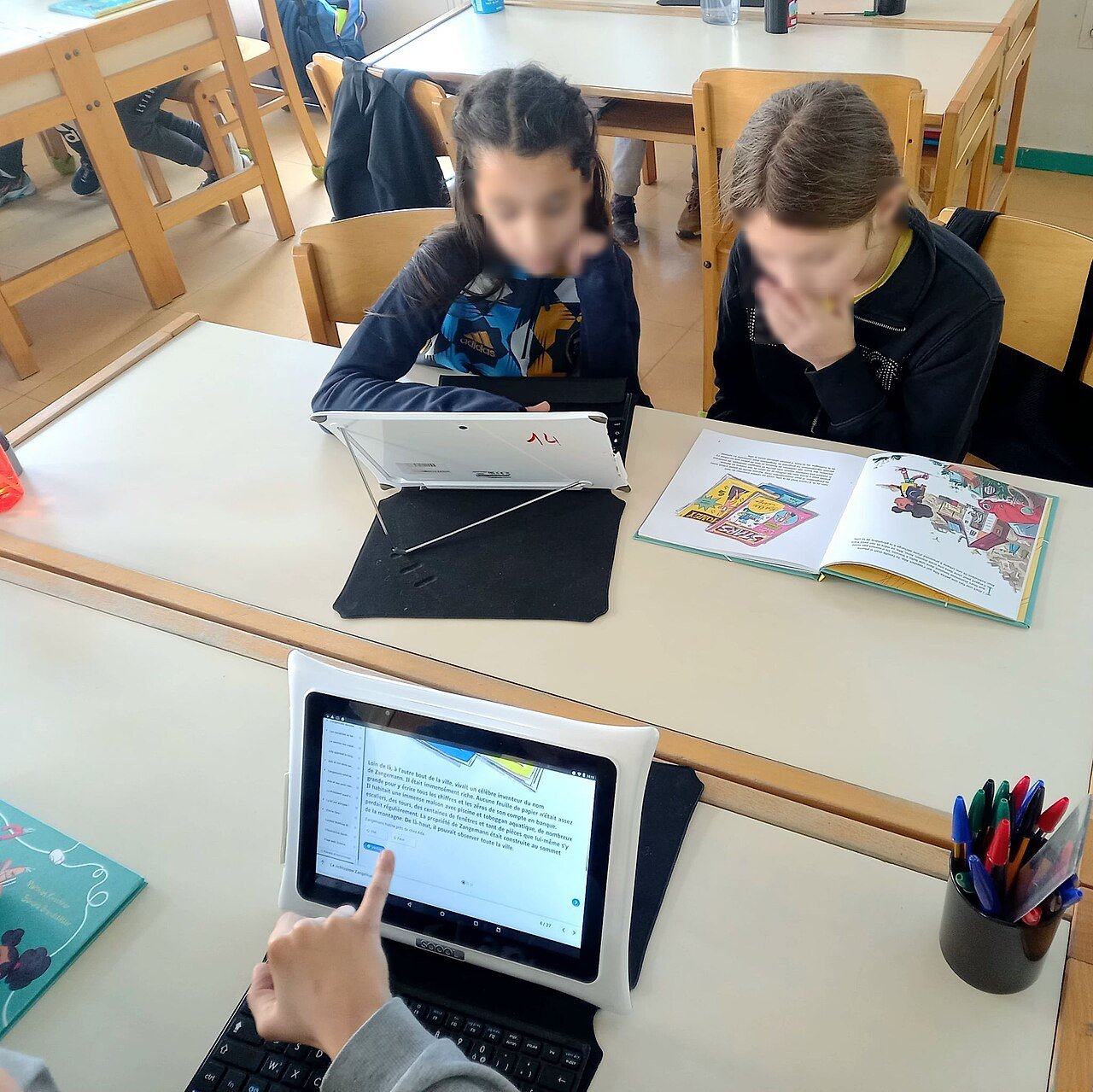
Baamboozle works well for this because it is a simple quiz game you play on a shared screen. You build a game with a set of questions, split the class into teams, and let the teams take turns picking a square and answering. There is no app to install and no student login, which matters when you are working with five and six year olds who cannot be expected to remember passwords. You can run a sight word game in ten minutes at the start of a literacy lesson, or stretch it into a full session with word lists, sentence building and a reading race at the end.
What Are Sight Words, and Why Do Games Help?
Sight words, sometimes called high frequency words or tricky words, are the common words that appear again and again in early reading books. A small set of about one hundred words makes up roughly half of everything a young child reads. When a child can recognise these words instantly, without stopping to sound them out letter by letter, their reading becomes smoother and faster, and they have more brain space left to understand what the sentence actually means.
The problem is that memorising words is boring. Flashcards on their own work for about three minutes before young children lose focus. Games fix that by giving the repetition a purpose. In a game, a child reads the word because their team needs the point, because they want to beat the other side, or because they are trying to solve a puzzle. The word gets read many times, in different contexts, and that repeated exposure is what moves it into long term memory.
Baamboozle adds two more advantages. First, the whole class watches the same screen, so every child sees every word, even when it is not their turn. Second, the game format creates a natural reason to read aloud.
How to Set Up a Sight Word Game on Baamboozle
You do not need a complicated setup. A basic sight word game takes about fifteen minutes to build the first time, and about five minutes once you have a template you can copy and edit.
Start by choosing a word list of eight to twelve words. Fewer than eight and the game repeats too quickly; more than twelve and young children cannot hold them all in mind. Pick words your class is learning this week, and mix two or three words they already know with the new ones so they get some easy wins early on.
Build the game with one question per word, but vary the question types so the game does not become a simple flashcard drill. Some squares can ask children to read the word, some can show a sentence with a missing word, and some can ask children to spell the word aloud. Add a few bonus squares with silly challenges, such as reading a word in a robot voice or spelling it backwards, because those moments are what children remember and talk about afterwards.
Before you play, decide the rules out loud with the class. How many teams are there? Who answers for the team? Can teammates help? A simple rule that works well is that the child whose turn it is answers first, and the team can help after five seconds. That keeps the game moving and stops one confident child from answering everything.
For a broader look at word based play, the guide to Baamboozle vocabulary games has more formats that pair well with sight word work, especially for older children who are ready for definitions and word families. You can find the game itself on the official Baamboozle site, where you can create a free account and search for games other teachers have already shared.
10 Baamboozle Sight Word Games for Early Readers
These ten formats all use the same basic Baamboozle setup, but each one practises sight words in a different way. Mix them across the week so children never know quite what is coming next.
1. Flashcard Race
The simplest format, and still one of the best. Each question shows a single sight word in large text. The team that is up must read it correctly within five seconds to win the point. Start with a slow pace and speed up as the game goes on. For the final three questions, cut the time to three seconds and watch the excitement rise.
2. Sight Word Bingo Board
Make a paper bingo grid for each child with nine of the week’s sight words written in the squares. In Baamboozle, each question shows one sight word, and children cross it off their grid if they have it. The first child to complete a row shouts bingo, but the game continues until three children have finished.
3. Mystery Word
Each question gives three clues about a sight word without showing it. For example, the clues for said might be: it has four letters, it starts with s, and people use it when someone is talking. Teams discuss the clues and guess the word, then spell it together.
4. Word Detective
Show a sentence on the screen with one word missing, and give the team three sight word options. They must choose the word that makes the sentence make sense. For example: “I ___ to school every day” with the options go, went and going, or “The dog ran ___ the park” with to, too and two. This game is valuable because it teaches children that sight words are not just shapes to memorise, but words with meaning and grammar. It also catches the classic confusions, like there, their and they are, in a low pressure way.
5. Sentence Builders
Each question shows a sight word and challenges the team to make a spoken sentence using it. A good sentence wins the point; a great sentence, one with an interesting detail or a funny twist, wins a bonus point. This is the game to use when children can read the words but are not yet using them confidently in their own writing. It also gives you a quick check on understanding, because a child who uses because correctly clearly knows what it means.
6. Word Hop
This one gets children moving. Put word cards on the floor in a path across the classroom. In Baamboozle, each question shows a sight word, and the child whose turn it is must hop to the matching card. If they land on the right word and read it aloud, their team scores.
7. Team Relay
Split the class into two or three teams and line them up. Each question shows a sight word, and the child at the front of the line runs to the board, reads the word, and runs back to tag the next child. The team that answers the most words correctly in five minutes wins. Relay games build teamwork and excitement, but they can get noisy, so set a clear rule before you start: running is allowed, shouting the answer from the back of the line is not.
8. Word Match Memory
Create Baamboozle questions that pair each sight word with something it connects to. The question might show the word was and ask the team to pick the sentence it belongs in, or show a picture of a cat and ask for the word that completes “The ___ sat on the mat”. This format suits children who have learned the words in isolation and now need to connect them to real reading. It also works well as a paired game, with two children working together on each answer.
9. Silly Sentence Challenge
This is the game children ask for again and again. Each question gives the team a sight word and a silly starting point, such as “The teacher said…” or “I went to the shop because…”. The team must finish the sentence in the silliest way they can, using the sight word correctly. The class votes on the funniest sentence, and the winning team gets a bonus point. Silly sentences are memorable, and children will still be quoting their favourite ones days later, which means they are still practising the words.
10. Word of the Day Showdown
Pick one sight word as the star of the day and build a short game around it. Questions can ask children to spell it, use it in a sentence, find it in a book, or spot it in a sentence on the screen. End the game by asking every child to write the word on their whiteboard and hold it up at the same time.
Sight Word Lists by Level
You do not need to invent your own lists. The Dolch word lists, used in classrooms for decades, are a reliable starting point, and you can adapt them to your own curriculum.
Pre-primer words are the first ones most children meet: a, and, away, big, blue, can, come, down, find, for, funny, go, help, here, I, in, is, it, jump, little, look, make, me, my, not, one, play, red, run, said, see, the, three, to, two, up, we, where, yellow, you. These are short, common words, and many of them appear in the very first reading books children bring home.
Primer words add a little more challenge: all, am, are, at, ate, be, black, brown, but, came, did, do, eat, four, get, good, have, he, into, like, must, new, no, now, on, our, out, please, pretty, ran, ride, saw, say, she, so, soon, that, there, they, this, too, under, want, was, well, went, what, white, who, will, with, yes.
First grade words are where tricky spellings start to appear: after, again, an, any, as, ask, by, could, every, fly, from, give, going, had, has, her, him, his, how, just, know, let, live, may, of, old, once, open, over, put, round, some, stop, take, thank, them, then, think, walk, were, when. If your class is working at this level, mix these with the primer words they already know so the game feels challenging but not impossible.
Second grade words, for children who are ready to stretch, include: always, around, because, been, before, best, both, buy, call, cold, does, don’t, fast, first, five, found, gave, goes, green, its, made, many, off, or, pull, read, right, sing, sit, sleep, tell, their, these, those, upon, us, use, very, wash, which, why, wish, work, would, write, your. A game built from this list suits a class that is already reading simple chapter books.
Tips for Running Sight Word Games That Actually Work
Keep the games short. Ten to fifteen minutes is enough for most classes. A game that drags on for thirty minutes loses its energy, and the children who are already confident will dominate while the rest switch off. It is better to play a short game twice a week than one long game once a week.
Celebrate effort, not just correct answers. When a struggling reader gets a word right, make a fuss of it. When a child gets a word wrong, keep the tone light and let the team help. The goal is for children to feel safe trying, because a child who is afraid of being wrong in front of the class will stop volunteering altogether.
Repeat the same word list across different games during the week. A word that appears in Flashcard Race on Monday, Word Detective on Wednesday and Silly Sentences on Friday will be remembered far better than a word that appears once in a single game. Repetition across different formats is the secret to making sight words stick.
Frequently Asked Questions
How many sight words should I include in one Baamboozle game?
Eight to twelve words is the sweet spot for most classes. Fewer than eight and the game becomes repetitive too quickly. More than twelve and young children struggle to remember them all. If you have a longer list, split it into two games and play them on different days.
How often should I play sight word games with my class?
Three short sessions a week works well for most classes, with each session lasting ten to fifteen minutes. Daily play is even better for children who are just starting out, but keep the sessions short so the games stay fun rather than becoming another chore.
Can I use Baamboozle sight word games for homeschooling?
Yes, and they work very well one to one. Play against your child as a team game, or let your child play against you and a stuffed toy as the second team. The smaller setting means you can go at your child’s pace and repeat tricky words as often as needed without worrying about the rest of a class waiting.
What if some children already know all the words and others do not?
Run the same game format with two different word lists. Give the confident group harder words from the next level up, and give the group that needs support words from the current level with more clues. Mixed ability teams also help, because stronger readers support their teammates and everyone gets a turn at answering.