
Getting a dental implant is a big step, and the first question almost every patient asks once the numbness wears off is about eating. The question of after implant of tooth how long to chew food comes up in nearly every implant consultation, and for good reason: chewing too soon or too hard can disturb the implant while it is healing, while waiting too long can leave you living on soup for weeks when you do not need to. The answer is not the same for everyone, because it depends on the type of implant, where it sits in your mouth, and how your own healing is going, but there is a clear general timeline that most dentists follow, and this guide walks through it day by day.
It helps to understand why the timing matters before you plan your meals. A dental implant is a small titanium post placed into the jawbone, and over the following weeks and months the bone grows around it in a process called osseointegration. During the early part of that process the implant is held in place mainly by the fit of the post in the bone, which is strong but not yet final. Hard chewing on that side creates tiny movements that can slow healing or, in the worst case, stop the bone from bonding properly. That is why dentists are careful about chewing, and why the advice about after implant of tooth how long to chew food is really advice about protecting the implant while the bone does its work.
This article is general information, not medical advice. Your own dentist knows your case, and their instructions always come first. If anything in this guide disagrees with what your dentist told you, follow your dentist. Use the timeline here to plan your meals, to know what is normal, and to recognise the signs that mean you should call the clinic.
What Happens After a Tooth Implant Is Placed
The implant appointment itself usually takes an hour or two, and most patients go home the same day. The area will be numb for a few hours, and once the numbness fades there is usually some soreness, mild swelling, and occasionally a little bleeding from the gum. These are normal parts of healing and they usually peak within the first two days before improving. Your dentist will usually place a temporary crown or a healing cap over the implant, and they may prescribe a short course of antibiotics and pain relief. The most important thing in these first hours is to leave the area alone: do not touch it with your tongue, do not rinse hard, and do not try to test it by chewing.
Under the gum, the healing process starts immediately. A blood clot forms around the implant, and over the next days the gum closes over the site while bone cells begin to grow towards the titanium surface. This early stage is delicate, which is why the first day is the strictest. Understanding this healing process is the key to answering after implant of tooth how long to chew food for your own case, because the timeline follows the bone, not the calendar. Even foods that feel soft can press on the implant if you chew them on that side, so the rule for day one is simple: nothing that needs chewing near the implant, and ideally nothing that needs much chewing at all.
After Implant of Tooth How Long to Chew Food: The Short Answer
For most single implants, the short version of after implant of tooth how long to chew food is this: liquids and very soft foods for the first 24 hours, soft foods chewed on the opposite side for about a week, a gradual return to more normal foods over the next two to six weeks, and normal chewing on the implant side only after your dentist confirms the implant is stable, which is often once the final crown is placed and the healing check is done. Full bonding of the implant to the bone takes three to six months, but that does not mean you cannot chew normally long before that. It means the implant is still getting stronger while you are already eating normally, provided your dentist has cleared you.
That timeline shifts in both directions. If you had a bone graft or a sinus lift along with the implant, your dentist will usually ask you to wait longer before chewing on that side. So the honest version of after implant of tooth how long to chew food is a range, not a single day, and your own case sits somewhere inside that range. If the implant was placed in the front of the mouth and a temporary crown was fitted the same day, you may be told to avoid biting with the front teeth for several weeks. If several implants were placed at once, the soft-food stage may last longer. The sections below break the timeline into stages so you can see exactly what to expect at each point, and the questions at the end cover the cases that do not fit the standard pattern.
The First 24 Hours: Liquids Only
The first day after the implant is the most careful day of the whole recovery, and the eating rules are strict for a reason. On this first day, after implant of tooth how long to chew food is not a question of hours but of patience: nothing that needs chewing at all. For the first 24 hours, stick to liquids and foods that need no chewing at all: cool water, milk, smooth yoghurt, lukewarm broth, smoothies without seeds, and meal replacement drinks. Eat and drink on the opposite side of your mouth from the implant, and keep everything cool or lukewarm rather than hot, because heat increases bleeding and swelling. Do not use a straw, because the sucking motion can disturb the blood clot at the implant site, and do not spit forcefully or rinse your mouth hard. If you need to clean your mouth, let water fall out gently instead of spitting.
It is also worth planning the first day before the appointment. Buy the soft foods and drinks in advance, so you are not deciding what to eat while your mouth is sore. Keep a bottle of water beside you, and eat small amounts often rather than trying to manage a large meal. Many patients find they are not very hungry on the first day, and that is normal: the anaesthetic, the mild pain, and the strangeness of the new implant all reduce appetite. Do not force yourself to eat a normal amount. Take your prescribed pain relief with a little food or milk if your dentist advised it, and rest with your head slightly raised, which helps with swelling.
Two things to avoid completely on day one are alcohol and smoking, and both matter more than most patients realise. Alcohol thins the blood and slows healing, and smoking reduces blood flow to the gums, which is one of the main reasons implants fail to bond properly. If you smoke, the first week after the implant is the most important time to stop, and your dentist will almost certainly have raised this before the appointment. Even a single cigarette in the first days can affect healing, so this is not a rule to bend.
Days 2 to 7: Soft Foods, Other Side Only
From the second day, you can move to soft foods, but the rule about chewing stays the same: chew on the opposite side, away from the implant. Good choices in this stage include scrambled eggs, mashed potatoes, soft pasta, cooked vegetables, oatmeal, soft fish, cottage cheese, ripe banana, and soup that has cooled to lukewarm. Cut food into small pieces, chew slowly, and take your time. The goal is to eat enough to stay strong and help your body heal, without putting any pressure on the implant. Most people find they can eat reasonably well by day three or four, as long as they keep everything soft and on the far side of the mouth.
This is also the stage where people make the most common mistake, which is testing the implant too early. The soreness fades quickly, and by day four or five the mouth can feel almost normal, which makes it tempting to bite down gently on the implant side just to see how it feels. Do not do this. By day four or five, after implant of tooth how long to chew food is still measured in days of soft food, not in how good the mouth feels. The gum may feel fine while the bone underneath is still in the early stages of bonding, and pressure now can create movement that sets healing back. If you are unsure whether something is safe to eat, use the simple test: if you have to chew it firmly, or if it is crunchy, hard, or sticky, it is not ready yet.
Cleaning matters during this week too. Your dentist will usually advise gentle rinsing with warm salt water or a prescribed mouthwash from the second day, and careful brushing around the implant without pressing on it. Keeping the area clean reduces the risk of infection, which is the other main cause of early implant problems. If you notice bleeding that does not stop, swelling that gets worse after the third day, or a bad taste that does not go away, contact your dentist rather than waiting for your next appointment.

Weeks 2 to 6: Gradually Returning to Normal Chewing
In the second week, most patients can start adding semi-soft foods: soft bread without a hard crust, well-cooked chicken cut small, soft rice, pasta with sauce, steamed vegetables, and soft fruit. The question of after implant of tooth how long to chew food starts to have a more encouraging answer at this stage, because the gum has closed over the site and the early healing is well under way. You can begin to chew more normally, but still favour the opposite side for anything that needs real pressure, and still avoid the hardest foods entirely.
Between weeks three and six, the return to normal eating continues step by step. If you are tracking after implant of tooth how long to chew food week by week, this is the stage where the answer changes fastest. Add one new texture at a time rather than going straight back to everything at once, and pay attention to how the implant area feels. A little tenderness when you first chew something firmer is common and usually settles, but sharp pain or a feeling that something is moving is a sign to stop and call your dentist. By the end of this period, many patients are eating a nearly normal diet, with the implant side still treated gently. Your dentist will usually see you for a healing check during this window, and that appointment is the right time to ask directly when you can chew fully on the implant side.
When Can You Chew on the Implant Side?
The point at which you can chew on the implant side is a decision your dentist makes, not a date on a calendar, but there is a typical pattern. For a single implant with a final crown, most dentists clear patients to chew normally on that side somewhere between six and twelve weeks after placement, often at the appointment when the final crown is fitted. The crown spreads the chewing force evenly, and by that stage the bone has usually formed a good early bond with the implant. Some dentists clear patients earlier if the implant was placed with very high initial stability, and some ask patients to wait longer if healing has been slow or a graft was involved. The only safe answer is the one your dentist gives you at your check-up.
After implant of tooth how long to chew food on the implant side is a question worth asking directly at that check-up, because the answer changes what you can eat and how you should bite. Ask your dentist the question in exactly those words — after implant of tooth how long to chew food on this side, in my case — because the answer depends on your own healing, not on a general timeline. When you do get the go-ahead, return to hard foods gradually rather than all at once. Start with foods that are firm but not rock-hard, such as cooked meat or a sandwich, and work up to raw carrots, nuts, and crusty bread over the following week or two. Chew on both sides evenly once you are cleared, because chewing on one side only can strain the jaw joint and wear the teeth on the other side unevenly.
There is one exception to be aware of. If your implant was fitted with a temporary crown on the same day, your dentist may have told you that the temporary crown is not meant for chewing at all. Temporary crowns are weaker than final crowns and can break or come loose if you bite down on them, and a broken temporary crown can disturb the implant underneath. Follow the specific instructions you were given for the temporary crown, and do not assume that the general timeline in this guide overrides them.
Foods to Avoid While Your Implant Heals
Some foods are risky throughout the healing period, and avoiding them is one of the simplest things you can do to protect the implant. The foods listed here are the reason after implant of tooth how long to chew food is measured in weeks rather than days, so take the list seriously even when your mouth starts to feel normal. Hard foods top the list: ice, hard sweets, raw carrots, nuts, popcorn kernels, and crusty bread can all press directly on the implant or break a temporary crown. Sticky foods are next: toffee, chewing gum, and dried fruit can pull at the gum and the temporary crown. Very hot foods and drinks can increase bleeding in the first days, and very spicy food can irritate the healing gum. Alcohol should be avoided for at least the first few days, and smoking should be avoided for as long as possible, ideally for the whole healing period.
It is also worth being careful with foods that leave small hard pieces in the mouth, such as seeded bread, granola, and crisps. These pieces can lodge around the implant and irritate the gum, and they are hard to clean away without disturbing the site. If you do eat something that leaves pieces behind, rinse gently with warm salt water rather than picking at the area. The rule for the whole healing period is simple: if a food is hard, crunchy, sticky, or very hot, wait until your dentist says the implant is ready for it.
What to Eat at Each Stage
Planning meals in advance makes the whole recovery easier, because the worst moments are the ones where you are hungry and there is nothing suitable in the kitchen. Each stage in this plan answers after implant of tooth how long to chew food in practical terms: what is on the plate, and what is not. For the first day, stock up on yoghurt, milk, smoothies, lukewarm soup, and meal replacement drinks. For the first week, add eggs, mashed potatoes, soft pasta, oatmeal, cottage cheese, soft fish, ripe bananas, and cooked vegetables. For weeks two to six, add soft bread, well-cooked chicken, rice, steamed vegetables, soft fruit, and pasta with sauce. Each stage adds a little more choice, and by the time you reach the final crown appointment, your diet should be close to normal.
Nutrition matters during healing, because your body is building new bone and gum tissue, and it needs protein, vitamins, and minerals to do that well. Soft foods can still be nutritious if you choose them well: eggs and yoghurt give protein, cooked vegetables give vitamins, and smoothies made with fruit and milk give energy without any chewing. If you find it hard to eat enough, a meal replacement drink is a reasonable short-term option, but try to return to real food as soon as you can. Drink plenty of water throughout the day, and keep sugary drinks to a minimum, because sugar feeds the bacteria that cause gum problems around a healing implant.
Signs You Are Chewing Too Soon
Most people heal without problems, but it is important to know the warning signs that mean the implant is being stressed or that something is wrong. These warning signs are the body’s way of saying that, whatever the calendar says, after implant of tooth how long to chew food is still “not yet” for you. Pain that gets worse after the third day, rather than better, is the most common warning sign. Swelling that increases after the first two days, bleeding that does not stop with gentle pressure, a bad taste or smell that does not go away, and a feeling that the implant or the temporary crown is loose are all reasons to call your dentist promptly. A low fever in the first day or two can be normal, but a fever that continues or rises needs attention.
Do not try to fix a problem yourself. If a temporary crown comes loose, do not push it back on and do not chew on it. Put it somewhere safe, call the clinic, and let them refit it. If you accidentally bite down hard on the implant side, do not panic, but do pay attention over the next day or two: if the area becomes sore and stays sore, or if the implant feels different when you touch it with your tongue, call your dentist and describe what happened. Dentists would much rather hear about a small worry early than discover a problem at the next routine appointment when it is harder to fix.
How Osseointegration Affects Chewing
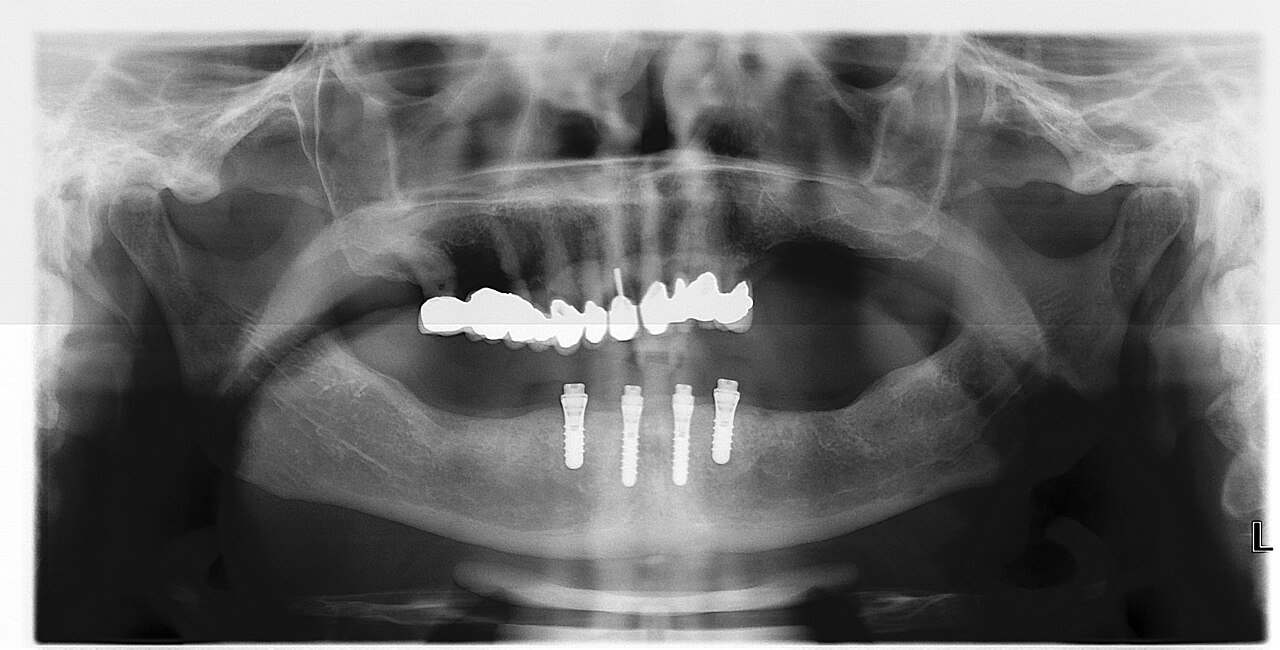
The reason the chewing timeline is so cautious is a process called osseointegration, in which the bone grows onto the surface of the titanium implant and locks it in place. That is why after implant of tooth how long to chew food is ultimately a question about bone, not about hunger. This is what makes an implant different from a bridge or a denture: once the bone has bonded, the implant behaves much like a natural tooth root. The process takes three to six months to complete, although the implant is usually stable enough for normal chewing well before the process finishes, provided the early healing has gone well. The Cleveland Clinic’s guide to dental implants explains this bonding process and the stages of treatment in clear detail, and it is a useful read if you want to understand what is happening under the gum while you wait.
Two things help osseointegration along: keeping the area clean, and avoiding pressure on the implant during the early weeks. Two things slow it down: smoking, which reduces blood flow to the bone, and uncontrolled diabetes, which affects healing throughout the body. If either applies to you, your dentist will already have discussed it, and the chewing timeline they gave you may be longer than the one in this guide. That longer wait is not a punishment; it is the best way to make sure the implant bonds properly and lasts for many years.
Tips for Eating Comfortably After an Implant
A few practical habits make the soft-food weeks much easier. These small habits make the waiting period easier while after implant of tooth how long to chew food is still measured in soft meals, and they cost nothing to follow. Cut food into small pieces before you start eating, so you never have to bite down hard to tear something apart. Eat slowly and chew on the side away from the implant, which quickly becomes a habit. Keep meals lukewarm rather than hot, and drink water with meals to help food go down without much chewing. If your jaw feels tired from chewing on one side, take a break and eat something that needs no chewing, such as yoghurt or soup. Plan your meals for the day in advance, so you are never caught hungry with nothing suitable to eat.
It also helps to tell the people you eat with what is happening. Family and friends who know you are recovering will not mind waiting while you eat slowly, and they can help by choosing restaurants with soft options when you eat out. If you do eat out during the first weeks, pick soup, pasta, fish, or eggs rather than steak or anything with a hard crust. Nobody will notice, and your implant will thank you for it.
Frequently Asked Questions
After implant of tooth how long to chew food on hard foods like nuts?
Hard foods such as nuts, raw carrots, and ice should wait until your dentist has confirmed the implant is stable and the final crown is in place, which is usually at least six to twelve weeks after the implant was placed. Even then, introduce them gradually over a week or two rather than all at once.
Can I chew on the opposite side straight away?
Yes, chewing on the opposite side is what your dentist will expect you to do from the second day, once the numbness has worn off. Keep the food soft for the first week, cut it small, and chew slowly.
What if I accidentally chew on the implant side?
One accidental bite is unlikely to cause serious harm, but do not make a habit of it. If the area becomes sore and stays sore, or if anything feels loose, contact your dentist and tell them what happened.
After implant of tooth how long to chew food if I had several implants at once?
With several implants, the soft-food stage usually lasts longer, because more of the mouth is healing at the same time. Expect at least two weeks of soft food chewed on the least sore side, and ask your dentist for a specific date before you chew normally on any implant side.
How long does the implant take to fully heal?
The bone takes three to six months to fully bond with the implant, but most people are eating normally well before that, once the dentist has cleared them at a healing check. The long bonding time does not mean months of soft food.
Does the timeline change if I had a bone graft?
Yes. A bone graft or a sinus lift usually means a longer soft-food period, because the grafted bone needs time to become part of your jaw. Your dentist will give you a specific timeline for your case, and it is important to follow it.
The question of after implant of tooth how long to chew food has a simple answer at its heart: be patient for the first week, build back gradually over the next few weeks, and let your dentist decide when the implant side is ready for normal chewing. The implant is an investment that should last for many years, and a few weeks of careful eating is a small price for a tooth that looks and feels natural. Follow your dentist’s instructions, eat well, keep the area clean, and ask questions whenever you are unsure. Your mouth will recover faster when you work with the healing process instead of against it.
Looking for more step-by-step guides? Read our guide on how to back up an iPhone to iCloud.