
A spelling bee is one of the oldest classroom competitions in the world, and it is still one of the best. One student stands up, hears a word, and spells it aloud, letter by letter, in front of the class. It sounds simple, and it is, but it takes courage, concentration and real knowledge of how words work. A spelling bee game for kids in the classroom turns spelling practice into an event: something students prepare for, look forward to, and remember.
This guide is about the spelling bee as a format, not just a list of words. It covers the rules, the rounds, the word lists by grade, the team formats, and how to judge fairly. It is written for teachers who want to run a bee in their own classroom, whether as a one-off event or as a regular part of the week.
What Is a Spelling Bee?
A spelling bee is a competition in which students spell words aloud. The teacher, called the pronouncer, reads a word. The student may ask for the word to be repeated, for a definition, or for the word to be used in a sentence. Then the student spells the word, letter by letter. If the spelling is correct, the student stays in. If it is wrong, the student is out, or loses a point.
The spelling bee began in the United States in the nineteenth century, and the most famous bee, the Scripps National Spelling Bee, has run since 1925. But the classroom bee is simpler than any national competition. It needs no stage, no audience and no prizes: just a list of words, a teacher to read them, and a class willing to try.
What makes the bee special is that it tests spelling in the hardest way: by ear. The student cannot see the word. They have to hear it, break it into sounds, remember the spelling patterns, and say the letters in the right order. That is a deeper test than a written spelling test, because it forces the student to think about how the word is built.
The bee also teaches something no worksheet can teach: how to handle pressure. Standing up in front of the class and spelling a word aloud takes courage. Students who do it, even when they get the word wrong, learn that making a mistake in public is survivable.
How to Run a Classroom Spelling Bee
Running a bee is simple, but the details matter. Get them right, and the bee runs smoothly. Get them wrong, and the class will argue about the rules instead of spelling words.
Start by choosing the words: twenty to thirty for a class of twenty students, more if the bee has several rounds. Use the word lists in this guide as a starting point, and add words from the current unit. The words should be challenging but fair: hard enough that some students will miss them, easy enough that every student can spell at least one.
Choose the roles. The teacher is usually the pronouncer, who reads the words. You also need one or two judges, who listen and decide whether the spelling is correct. Older students can be judges, a wonderful job for a student who is not competing. The judge’s decision is final, and the class needs to know that before the bee starts.
Set the rules out loud before the first word. Each student gets one word per round. They may ask for the word to be repeated, for a definition, or for the word in a sentence. They have thirty seconds to start spelling. Once they start, they cannot change a letter, unless they restart the whole word before finishing it. A correct spelling keeps them in, a wrong one means they sit down. The last student standing wins.
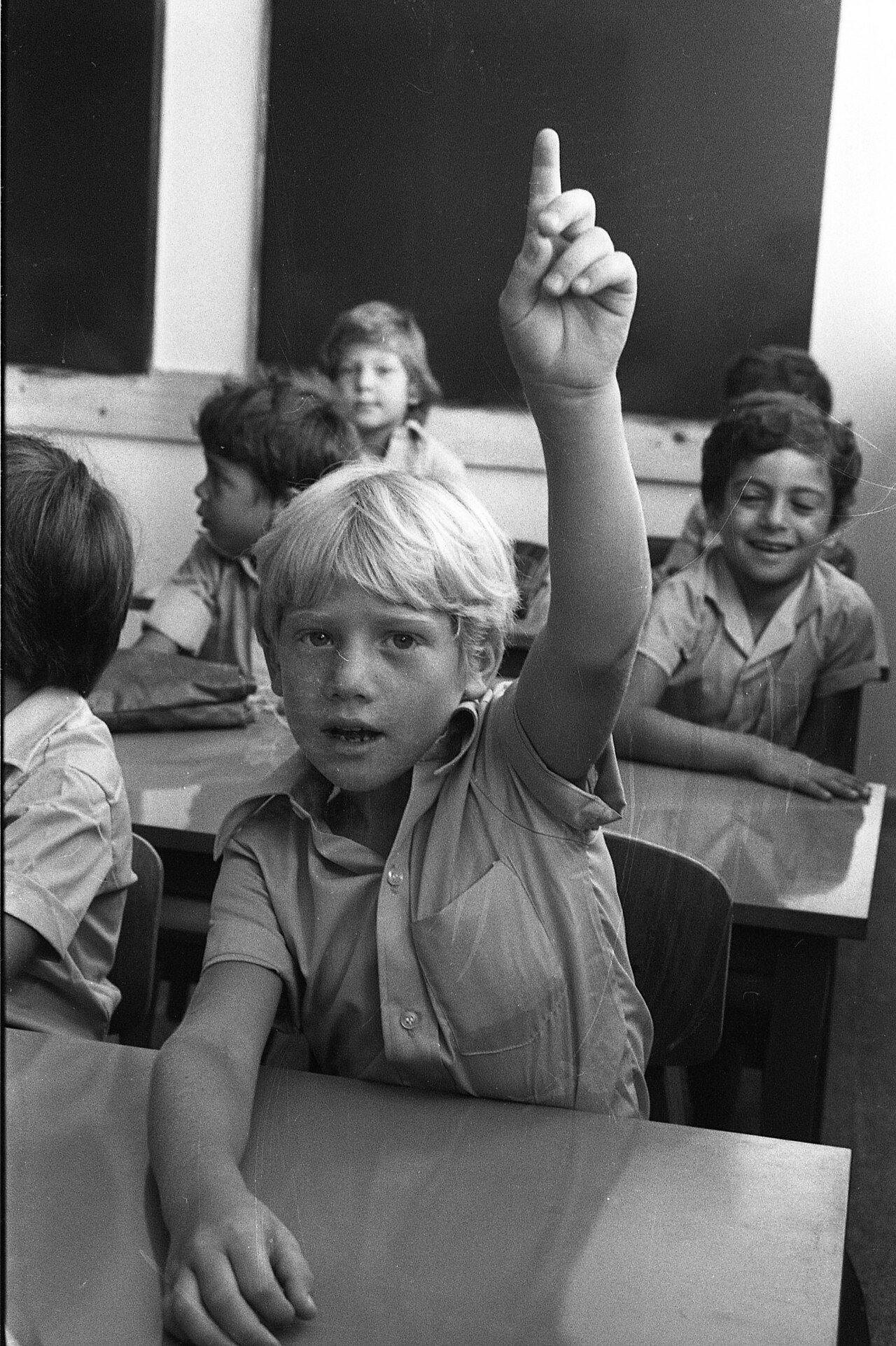
Arrange the room. The students stand in a line or a semicircle at the front, facing the class. The pronouncer stands where everyone can hear. The rest of the class sits quietly and listens, because the speller needs to concentrate.
Keep the pace brisk. A bee that drags on loses the class. Aim for one word per student per minute. If the bee is taking too long, make the words harder so students are eliminated faster. A classroom bee should take fifteen to twenty minutes, not an hour.
End with praise. The winner gets applause, and so does every student who tried. A bee is a competition, but it is also a lesson, and the lesson is that trying matters. If a student is upset about being eliminated, talk to them afterwards.
Spelling Bee Rounds That Work
A good bee has more than one round. Different rounds test different skills, and they keep the bee interesting as it goes on.
The warm-up round comes first. Every student gets an easy word, one they are almost certain to spell correctly. It is not about elimination. It is about giving every student a success before the real competition starts. It calms nerves, builds confidence, and makes the bee feel fair. Use words from the weekly spelling list.
The standard round is the heart of the bee. Each student gets a word of medium difficulty, and a wrong spelling means elimination. This round usually lasts the longest, and it is where most students leave the competition. Keep the words fair: if a word is much harder than the others, the round feels unfair.
The challenge round comes when only a few students are left. The words get harder, and the students may ask for more help: the word’s origin, its part of speech, or an example sentence. This round is where the best spellers show what they can do. Use the hardest words from your list here.
The team round is a different format, and it works well as a change from the individual bee. Students spell in teams, taking turns. If one student misses a word, the team loses a point, but the team stays in. It is less stressful than the individual bee, and it lets weaker spellers contribute.
The final round is for the last two students. They take turns spelling words from a championship list. If one student misses a word and the other spells it correctly, the second student wins. If both miss, the bee continues. The final round is dramatic, and it deserves a little ceremony: a pause before each word and a clear announcement of the winner.
Spelling Bee Word Lists by Grade
The words make the bee. Too easy, and the bee is boring. Too hard, and the bee is unfair. These lists are a starting point: adjust them to your class.
For grades one and two, use short words with clear sounds. The students are learning to hear the sounds in words, so the list should be words they can sound out: cat, dog, sun, fish, book, jump, rain, tree, ship, cake, frog, star, milk, hand, nest. These words are simple, but not all easy: ship and nest test the idea that two letters can make one sound, and cake tests the silent e. Keep the list short, ten to fifteen words.
For grades three and four, use longer words with common patterns. The students know the basic sounds, so the list can include words with silent letters, double letters and common endings: friend, because, enough, people, through, beautiful, chocolate, elephant, together, morning, garden, bicycle, answer, listen, island. These words are harder because they break the rules: friend has an i before e, enough has a gh that sounds like f, and island has a silent s. That is what makes them good bee words.
For grades five and six, use words that need real knowledge of spelling patterns. The students should know prefixes, suffixes and common Latin and Greek roots: necessary, separate, definitely, experience, environment, government, rhythm, occasion, embarrass, conscience, privilege, neighbour, accidentally, familiar, possession. These words are hard because they have traps: necessary has one c and two s, separate has an a in the middle that sounds like an e, and rhythm has no vowels at all.
For grades seven and above, use words that challenge even strong spellers. The list can include words from science, history and literature: accommodate, entrepreneur, liaison, questionnaire, sacrilegious, vacuum, cemetery, withhold, supersede, inoculate, hierarchy, millennium, perseverance, sergeant, threshold. These words are hard because they come from other languages, or because they have unusual letter combinations. They are the words that win a championship bee.
For any grade, the best words come from the class itself. Ask students to suggest words for the next bee, and they will bring you words from their reading, their games and their lives. A word a student suggests is a word they care about.
Team Spelling Bee Formats
Individual bees are dramatic, but team bees are often better for learning. They are less stressful, they let weaker spellers contribute, and they turn spelling into a group activity.
The team relay is the simplest format. Each team stands in a line. The first student spells a word, then goes to the back of the line. The next student spells the next word. If a student misses a word, the team loses a point, but the student stays in the game. The team with the most points wins. It is fast, it is fair, and it keeps every student involved.
The team spelling format is slower and more thoughtful. The whole team discusses each word before one student spells it aloud. The discussion is where the learning happens, because students argue about the spelling, remember patterns together, and correct each other’s mistakes.
The class-versus-class format works when two classes share a bee. Each class sends a team, and the teams take turns spelling words. It is exciting, because the students feel they are representing their class. Keep the words fair, and make sure both teams get words of the same difficulty.
The mixed-age team format is ideal for a school bee. Teams include students from different grades, so the younger students learn from the older ones and the older students practise explaining what they know.
Whichever format you choose, keep the rules clear and the pace brisk. A team bee should take fifteen to twenty minutes, and every student should spell at least one word.
Judging a Spelling Bee Fairly
Fair judging is what makes a bee work. If the students think the judging is unfair, they will stop trusting the bee, and the bee will stop working as a lesson.
The first rule is that the judge listens to the letters, not the pronunciation. A student who says the letters clearly, even slowly, is spelling correctly. A student who rushes and mumbles may be spelling correctly too, but the judge cannot tell, so ask the student to repeat the spelling slowly if it was unclear.
The second rule is about restarts. A student may restart a word if they have not finished spelling it: “C-A-T, no, sorry, C-A-R.” That is allowed, because the student corrected themselves before finishing. But once the student says the last letter, the spelling is final.
The third rule is about help. A student may ask for the word to be repeated, for a definition, or for the word in a sentence. The pronouncer must give the same help to every student. Decide what help is allowed before the bee starts, and give it to everyone.
The fourth rule is about disputes. Sometimes a student will insist they spelled the word correctly, or the class will disagree with the judge. Listen, check the word against a dictionary or a printed list, and then decide. The judge’s decision is final. Most disputes are resolved quickly when the correct spelling is shown.
The fifth rule is about kindness. A student who is eliminated should be treated with respect. No laughing, no cheering when someone gets a word wrong. The class should applaud every student who tries. A bee that is kind is a bee that students want to join again.
Making Spelling Bees Fun, Not Stressful
A spelling bee can be stressful, especially for students who are not confident spellers. The teacher’s job is to keep it fun.
Start with practice. Run a practice bee with easy words before the real one, so every student knows how a bee works. Practice removes the fear of the unknown.
Use team formats for the first bees of the year. Team bees are less stressful than individual bees, because no student stands alone.
Let students choose some of the words. A student who suggests a word is a student who cares about the bee, and it makes the word list fair, because the class chose it together.
Celebrate effort, not just winning. Praise the student who spelled a hard word, the student who tried a word they did not know, and the student who cheered for a classmate.
Keep the bee short. Fifteen to twenty minutes is right. A bee that goes on for an hour will exhaust the class, and the students who are eliminated early will be bored.
Finally, connect the bee to other spelling games. A bee is one format, but it is not the only one. Baamboozle vocabulary games are a wonderful way to practise spelling in a team game on the big screen, and they work as a warm-up before a bee. You can also find ready-made spelling games on the official Baamboozle site.
Frequently Asked Questions
What are the rules of a spelling bee game for kids in the classroom?
Each student gets one word per round. They may ask for the word to be repeated, for a definition, or for the word in a sentence. They have thirty seconds to start spelling. Once they start, they cannot change a letter, unless they restart the whole word before finishing it. A correct spelling keeps them in, a wrong one eliminates them. The last student standing wins.
How do I choose spelling bee words by grade?
Use short words with clear sounds for grades one and two, longer words with common patterns for grades three and four, words with prefixes, suffixes and traps for grades five and six, and challenging words from science, history and literature for grades seven and above.
Can a spelling bee be played in teams?
Yes, and team bees are often better for learning. In a team relay, students take turns spelling and the team earns points. In team spelling, the whole team discusses each word before one student spells it.
How do I judge a spelling bee fairly?
Listen to the letters, not the pronunciation. Allow a restart if the student has not finished spelling. Give the same help to every student. Check disputes against a dictionary or a printed list, and make the judge’s decision final. Above all, be kind: applaud every student who tries.