
Every teacher knows the afternoons when the class needs to be quiet. After lunch, before a test, on a rainy day when the hall is taken, or when the class next door is sitting an exam. The students still need a break, and they still need to learn, but the noise has to stop. That is when quiet classroom games for students earn their place.
Quiet games are not boring games. The best of them are tense, competitive and funny, and they happen in near silence. A game of silent ball, where one dropped catch ends your turn, can hold a class spellbound. The silence is part of the game, not a punishment for playing it.
This guide gives you twenty quiet games, from the classics every teacher knows to a few you may not have tried. They all work in a normal classroom, they need almost no equipment, and they keep the noise down.
When Quiet Games Are the Right Choice
Quiet games are not for every moment. A lively quiz with cheering is wonderful when the class has energy to burn. Quiet games are for the moments when the energy needs to come down, not up.
After lunch is the classic time. Students come back full, warm and sleepy, and a loud game will make them wild. A quiet game lets them settle while still enjoying themselves.
Before a test is another good time. A quiet game calms nerves without wasting time. It keeps the students thinking, but it lowers the noise and the stress.
Rainy days are a third time. When the class cannot go outside, the energy builds up in the room. A quiet game gives that energy somewhere to go, without turning the classroom into a playground.
The class next door is the fourth reason. When the neighbouring class is sitting a test, your class has to be quiet whether they want to be or not. A quiet game makes the rule feel fair, because the game itself is quiet.
Finally, quiet games are good for the end of the day. Students are tired, the teacher is tired, and a calm game is the right way to finish.
20 Quiet Classroom Games for Students
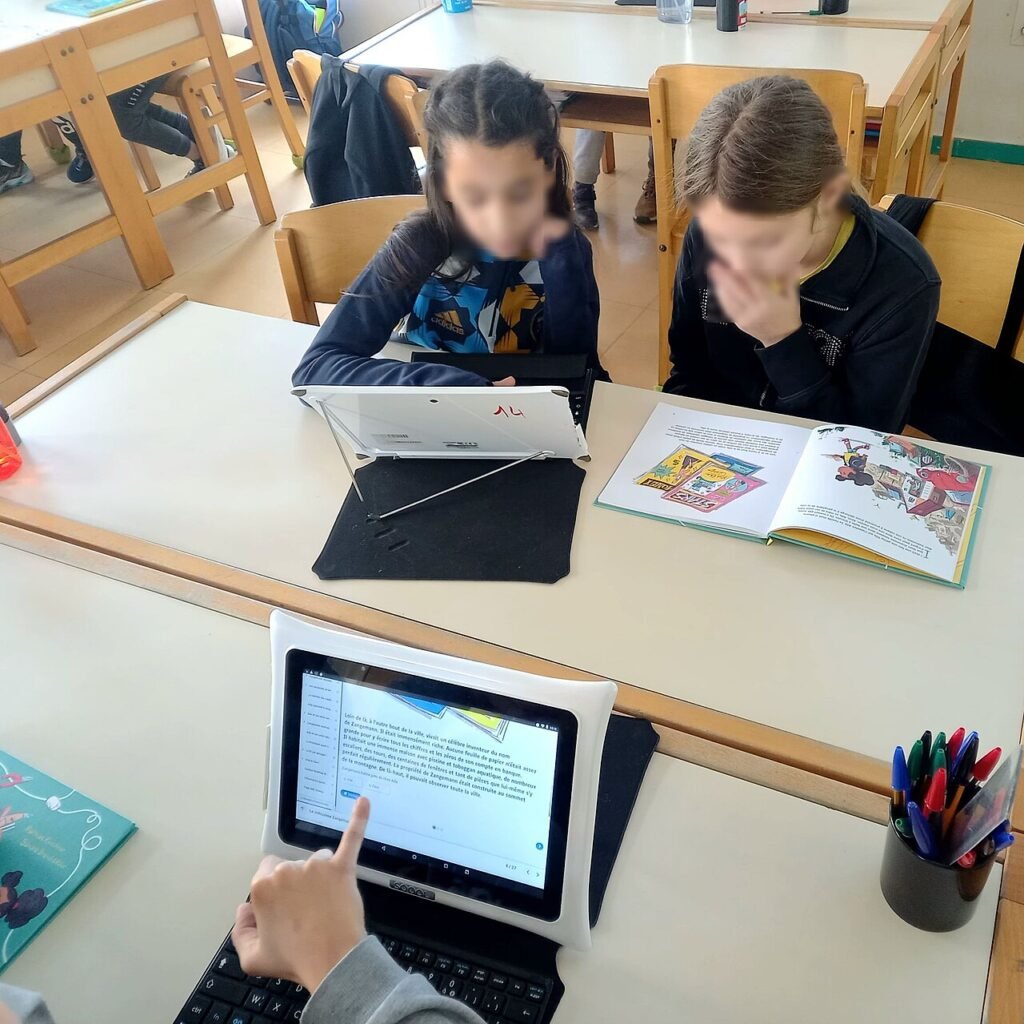
These twenty games are all quiet, or nearly quiet. Start with the first few, and add the rest as your class gets better at playing silently.
1. Silent Ball
Students stand in a circle and pass a soft ball to each other in silence. If you drop the ball, talk, or throw it badly, you sit down. The last student standing wins. It is simple, it is tense, and it is completely silent, because talking gets you out. Use a soft ball, and play it in a clear space.
2. Heads Down Thumbs Up
Seven students stand at the front while the rest put their heads down and their thumbs up. The seven walk around and each presses one thumb down, then return to the front. The students whose thumbs were pressed stand up and guess who pressed them. It is a classic for a reason: it is quiet, it is exciting, and everyone gets a turn.
3. Wink Murder
One student is secretly the murderer. They wink at other students, and the winked student has to fall down dramatically, in silence. The rest of the class has to work out who the murderer is. It is a deduction game played in whispers, and it is hilarious. The dramatic falling has to be silent, which makes it funnier.
4. Quiet Bingo
A bingo card where each square is a word, a picture or a number from the current topic. The teacher calls out clues in a quiet voice, and students mark the square that matches. It combines memory with luck, it keeps everyone engaged, and it works beautifully as a review game.
5. Silent Line-Up
The class has to line up in birthday order, or in height order, without speaking. They can use gestures, but no words. It forces students to think about how to show information without talking. It is surprisingly hard, and the first time a class does it, it usually takes five minutes of silent pointing and miming.
6. Pictionary
One student draws a word on the board, and the class guesses what it is. No talking from the drawer, and the guesses are made by raising a hand. It is quiet and visual, and it works for any topic. Use words from the current unit, and the game becomes a vocabulary review.
7. Charades
Like Pictionary, but acted out instead of drawn. One student acts out a word or a film title without speaking, and the class guesses. No sounds, no words, just acting. It is surprisingly hard, and surprisingly funny. Use easy words for young children, and harder ones for older students.
8. Memory Match
Cards face down on the table, turn two over, keep the pair if they match. It is completely silent. Play it in small groups, with word pairs or picture pairs from the current topic. It builds concentration, and it works for any age.
9. Word Search Race
Give every student the same word search, and see who can find all the words first. It is silent and competitive, and it builds vocabulary. Use words from the current unit, and the race becomes a review.
10. Hangman
One student thinks of a word and draws a dash for each letter on the board. The class guesses letters, one at a time, by raising a hand. A right guess fills in the letter. A wrong guess adds a part to the hanging figure. It is a spelling game disguised as a drawing game, and it is quiet by nature.
11. Tic-Tac-Toe Tournament
Pairs of students play tic-tac-toe on paper, and the winners play each other until one champion remains. It takes thirty seconds per game, which makes it perfect for a quick tournament. For a harder version, play on a bigger grid, four in a row on a five-by-five board.
12. Dots and Boxes
Draw a grid of dots on a piece of paper. Players take turns drawing a line between two dots. When a player completes a square, they write their initial in it and take another turn. The player with the most squares wins. It is quiet and competitive, and it takes ten minutes. Children love it, and adults find it surprisingly hard to win.
13. Twenty Questions in Whispers
The classic guessing game, played in whispers. One person thinks of something, and the class asks up to twenty yes-or-no questions to work out what it is. The whispering makes it feel secret and exciting, and it keeps the noise down. Start with easy topics like animals, then move to harder ones.
14. I Spy
“I spy with my little eye, something beginning with L.” The lamp, the light switch, the library corner. It works because a classroom is full of things to look at, and every object is a possible answer. For young children, use colours instead of letters. It is quiet, it needs nothing, and it can fill ten minutes easily.
15. Categories
Give the class a letter and a category, and see who can write the most words: animals beginning with B, foods beginning with S, countries beginning with C. It is a vocabulary game played in silence, and it works for any age if you choose the category carefully.
16. Story Chain on Paper
Each student writes the first sentence of a story, then passes the paper to the next student, who writes the next sentence. The papers travel around the class, and each one comes back with a complete story. It is silent and creative, and the stories it produces are usually hilarious. Read the best ones aloud at the end.
17. Pass the Picture
Each student starts a drawing, then passes it to the next student, who adds to it. The drawings travel around the class, and each one comes back changed beyond recognition. It is silent and funny, and it works for any age. Use a theme, like a monster or a house, and the results will be even better.
18. Silent Reading Quiz
Give the class a short text to read silently, then ask ten questions about it. Who was the main character? What happened first? Why did the character make that choice? It is reading comprehension disguised as a game, and it works because the students want to prove they were paying attention.
19. Finger Counting
Two students hold up fingers behind their backs, then show them at the same time. Each player tries to guess the total. It is a quick, silent maths game that works for any age. For older students, use two hands and larger numbers. It takes one minute to learn and it never gets old.
20. The Quiet Game
The simplest game of all. The class has to stay silent for as long as possible. The last student to make a sound wins. It sounds too simple to work, until you add a twist: the teacher asks questions, and the students answer by nodding, shaking their heads, or writing on a mini whiteboard. It is the quietest game in this guide, and the one students ask for most often.
How to Run Quiet Games on Baamboozle
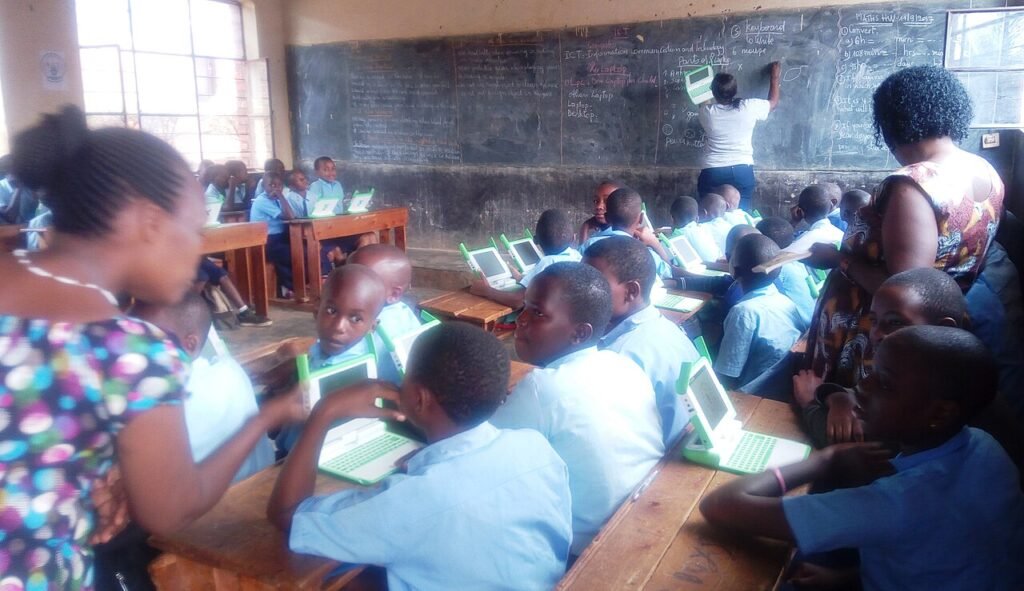
Quiet games work well on Baamboozle, because the platform lets you run a quiz without any shouting. Build a quiz where each tile is a question, and the answer choices are shown on the screen. The class discusses in whispers, chooses an answer, and the reveal becomes a moment of quiet excitement.
Start with the simplest format. A classic quiz game with four answer choices per tile is perfect for Quiet Bingo, Silent Reading Quiz and Categories. The teacher reads the question in a quiet voice, the teams discuss in whispers, and each team picks an answer.
For games that do not need the screen, like Silent Ball, Baamboozle still helps. Use it to pick the teams, to keep the score, or to show the rules. The screen gives the game structure: everyone can see the score, everyone knows whose turn it is, and the game feels official. If you are new to the platform, read how to play Baamboozle first, and the setup will take five minutes.
Keep the groups small. Quiet games work best in teams of three or four, because every student gets a turn. In a large team, the confident students take over. Split the class into small teams, give each team a turn, and rotate who answers.
Time the games. Five to ten minutes is right: Silent Ball takes about five, Heads Down Thumbs Up about ten, Quiet Bingo about fifteen. If a game runs longer, the silence becomes a strain and the students will start talking. Short games played often keep the class calm far better than one long silent session.
Quiet Games by Age Group
For ages five to seven, keep it simple and physical: Silent Ball, I Spy with colours, and the Memory Tray with five objects. Young children need short games with clear rules and lots of praise. Keep each game to five minutes, and be ready to switch at any moment.
For ages eight to ten, add words and thinking: Hangman, Dots and Boxes, Categories and the Story Chain on Paper. Students this age can follow rules, take turns and handle losing, and they love competition, so keep score and let teams challenge each other.
For ages eleven and up, use the harder games: Wink Murder, Silent Line-Up, the Silent Reading Quiz and the Finger Counting game. Older students enjoy the challenge, and they enjoy designing their own quiet games, because building a game that is hard but fair takes more thinking than playing one.
Keeping the Noise Down Without Killing the Fun
The hardest part of quiet games is the balance. Too much silence and the game feels like a punishment. Too much noise and the game fails. The trick is to make the silence part of the game, not a rule imposed on top of it.
First, explain why the game is quiet. “The class next door is sitting a test” is a reason students understand. “Because I said so” is not.
Second, build the silence into the rules. In Silent Ball, talking gets you out. In Wink Murder, talking gives you away. In the Quiet Game, talking loses you the game. When silence is the rule, students keep quiet because they want to win.
Third, use whispers. Whispering is quiet enough for the neighbours, and it feels exciting to children. A game played in whispers is more fun than the same game played in silence, because the whispering feels like a secret. Let the class whisper, and the noise will stay low.
Fourth, praise the quiet. When the class plays a game well and quietly, say so. Praise makes the behaviour repeat, and it makes the students proud of their quiet.
Finally, know when to stop. A quiet game that goes on too long will end in noise, because the students run out of patience. Stop while the game is still fun. You can find more ready-made quiet games and ideas from other teachers on the official Baamboozle site, which is a good place to look when you need a fresh game in a hurry.
Frequently Asked Questions
What are the best quiet classroom games for students?
Silent Ball, Heads Down Thumbs Up, Wink Murder and Quiet Bingo are the best places to start. They need almost no equipment, they are genuinely quiet, and they keep the whole class engaged. Add Pictionary and Charades for a creative game, and the Story Chain on Paper for a writing game.
How do quiet games help students learn?
They train concentration, because the students have to pay attention without the noise to hide behind. They build vocabulary, memory and reasoning, depending on the game. And they teach self-control, because the students have to manage their own noise level.
Can I play quiet games on Baamboozle?
Yes. Build a quiz where each tile is a question and the answer choices are shown on the screen. The class discusses in whispers, chooses an answer, and the reveal becomes a moment of quiet excitement. For games that do not need the screen, use Baamboozle to keep score or to pick the teams.
How long should a quiet classroom game last?
Five to ten minutes is ideal. Silent Ball takes about five minutes, Heads Down Thumbs Up about ten, and Quiet Bingo about fifteen. Short games played often keep the class calm far better than one long silent session, because the silence becomes a strain if it lasts too long.