
If your cable bill keeps climbing, or fiber will never reach your home, you have probably seen ads for 5G home internet. But what is 5G home internet USA, really, and can it replace cable or fiber? The short answer is yes, for many households. It brings broadband into your home over a wireless signal instead of a cable, with no technician visit, no drilling, and usually no contract.
Table of Contents
What Is 5G Home Internet USA
5G home internet is a fixed wireless internet service. Instead of a physical cable or fiber line into your house, your provider sends you a small gateway device. You plug it into a wall outlet, it picks up a 5G signal from a nearby cell tower, and turns that signal into Wi-Fi for your whole home.
The industry calls this Fixed Wireless Access, because the connection is fixed to your home even though the signal itself is wireless. In the United States, the three major carriers all offer it: T-Mobile 5G Home Internet, Verizon 5G Home Internet, and AT&T Internet Air.
According to Reviews.org, more than 80 percent of new broadband connections in the US in recent years were 5G.
What Is 5G Home Internet USA and How It Works
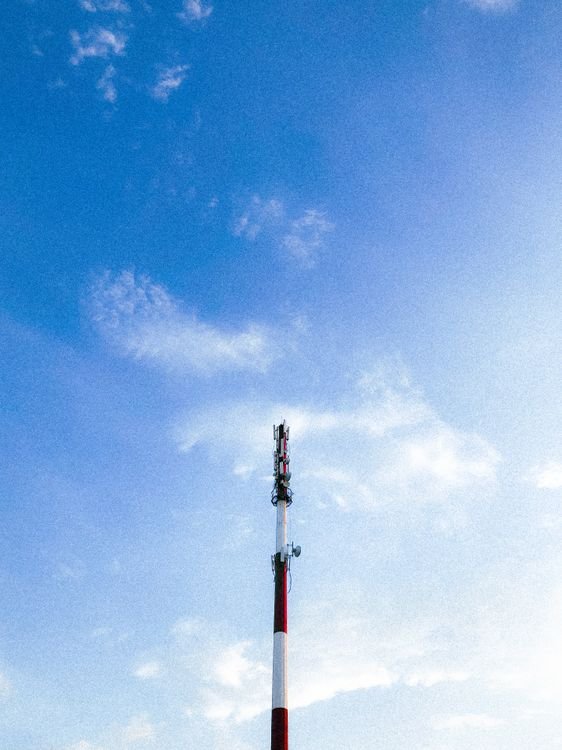
A 5G home internet connection starts at a cell tower, not at a cable in the street. The tower sends a 5G signal to the gateway in your home, and the gateway acts as both a modem and a Wi-Fi router. Most home internet uses mid-band 5G, also called C-band, which balances speed and range. The fastest form, millimeter-wave, is far quicker but cannot travel far or pass through walls, so it is rarely used for home internet. T-Mobile and Verizon ship the gateway, and most people set it up in about 15 minutes with a smartphone app. T-Mobile’s plan page lists the current plans and availability check.
5G Home Internet Speeds: What to Expect
Speed varies. Typical real-world 5G home internet speeds run from around 100 Mbps to 300 Mbps, with averages of 50 to 150 Mbps for many households. T-Mobile lists typical downloads of 170 to 354 Mbps for Rely and 170 to 498 Mbps for Amplified and All-In, with uploads of 12 to 55 Mbps. Verizon’s 5G Home Plus advertises up to 500 Mbps in Ultra Wideband areas. Speed depends on tower distance, network congestion, and gateway placement.
That covers 4K streaming, video calls, online classes, and several devices at once, but not fiber, which can deliver multi-gigabit speeds in both directions. If you run online classes from home, test your speeds during the hours you actually teach, not at midnight when the network is quiet.

5G Home Internet Plans and Prices in the USA
Plans usually cost around USD 50 to USD 60 per month, with no annual contract and no monthly equipment fee. T-Mobile’s three plans are Rely at USD 50 per month, Amplified at USD 60 per month, and All-In at USD 70 per month, each USD 20 per month cheaper with a phone line and AutoPay. All three include unlimited data, a gateway, and a five-year price guarantee. Verizon offers a basic 5G Home plan, 5G Home Plus at around USD 60 per month, and a top 5G Home Ultimate plan, with no data limits and no long-term contracts.
AT&T Internet Air is the third option, with similar area-dependent pricing. None charges an installation fee. Verizon’s 5G Home FAQ page confirms the no-contract, no-data-limit terms.
How to Set Up 5G Home Internet
Setup is easy, but most problems start here, so do it properly. When the gateway arrives, plug it in near a window on the side of your home facing the nearest cell tower. The app shows signal strength, so move it until you find the strongest spot, usually high up and away from thick walls, metal appliances, and aquariums. Once the signal is good, use the app to name your Wi-Fi network and set a password, then connect your devices. The whole process takes about 15 minutes.
If the signal is weak everywhere, ask the carrier whether an external antenna would help, or whether your address is too far from the tower.
5G Home Internet vs Cable vs Fiber
Versus cable, 5G is usually cheaper, has no contract, and costs nothing to install, but is slower at peak times and less consistent. Cable gives steadier speeds and better uploads, but comes with rental fees, contracts, and price rises after year one. Versus fiber, 5G loses on speed and reliability: fiber delivers symmetrical multi-gigabit speeds that do not change with weather or time of day. But fiber is not available everywhere, and where it is, it often costs more. In short, 5G is a genuine alternative to cable for small households, and a good backup or rural option where fiber does not reach.
Who Should Switch to 5G Home Internet USA
5G is a good fit if you rent and cannot have cables installed, live where fiber is unavailable, want to cut a rising cable bill, or want a simple plan with no contract. It suits one-to-three-person households with typical streaming, browsing, and video calls. It is a poor fit if you upload large files daily, play competitive games, run a home server, or live far from the nearest tower.
If a classroom game will not load after you switch, the problem is usually the connection, and our guide on what to do when Baamboozle is not working covers the usual fixes. Most carriers offer a trial of around 15 days, so try it alongside your current internet before cancelling.
Quick Checklist: Switch to 5G Home Internet USA
- Check availability and typical speeds at your address.
- Compare the monthly price with your current bill.
- Place the gateway near a window facing the nearest tower.
- Test speeds at the hours you actually use it.
- Use the trial period before cancelling your old service.
FAQs
What is 5G home internet USA?
It is a fixed wireless broadband service. A gateway in your home receives a 5G signal from a nearby cell tower and turns it into Wi-Fi. T-Mobile, Verizon, and AT&T all offer it, usually for around USD 50 to USD 60 per month with no contract.
Is 5G home internet fast enough for streaming and gaming?
Yes, for most households. Typical speeds of 100 to 300 Mbps handle 4K streaming, video calls, and online classes easily. Competitive gaming is the exception, because 5G latency can spike at busy times.
Does 5G home internet have a data cap?
The main plans from T-Mobile and Verizon include unlimited data with no monthly cap. Some smaller plans may have limits, so check before you order.
Do I need a technician to install 5G home internet?
No. The carrier ships you a gateway, you plug it in near a window, and set it up in about 15 minutes with an app. There is no drilling, no cable run, and no installation fee.